September 15, 2026 · By Abraham Wix-Expert
Dallas-area masonry takes a beating. Seasonal movement, heat, moisture, foundation movement, aging mortar, and original construction defects can all create cracks or displacement in brickwork. The visible damage may be small, but the underlying problem may involve a failed lintel, poor drainage, incompatible mortar, or unstable masonry.
For reliable brick repair in Dallas, focus on the cause, not just the crack. Champion Brick Repair & Whitestone Construction combines structural correction, precision brick matching, and compatible mortar repair for residential, commercial, historic, and insurance-backed projects throughout the Dallas-Fort Worth area.
Brick veneer and masonry walls move throughout the year. When that movement exceeds what the wall assembly can accommodate, cracks may appear around:
Garage doors and other wide openings
Window corners
Brick arches
Chimneys and mortar caps
Mailboxes and freestanding brick structures
Changes in wall height or building materials
Areas affected by water intrusion or impact damage
The Brick Industry Association’s Technical Note 18A explains that brickwork requires properly designed movement joints to reduce cracking caused by thermal movement, moisture expansion, settlement, and differential movement.
That does not mean every crack is a foundation problem. It does mean you should have the pattern evaluated before filling it with mortar and hoping for the best.
Expert rule: Repair the movement mechanism first. Then restore the masonry surface.
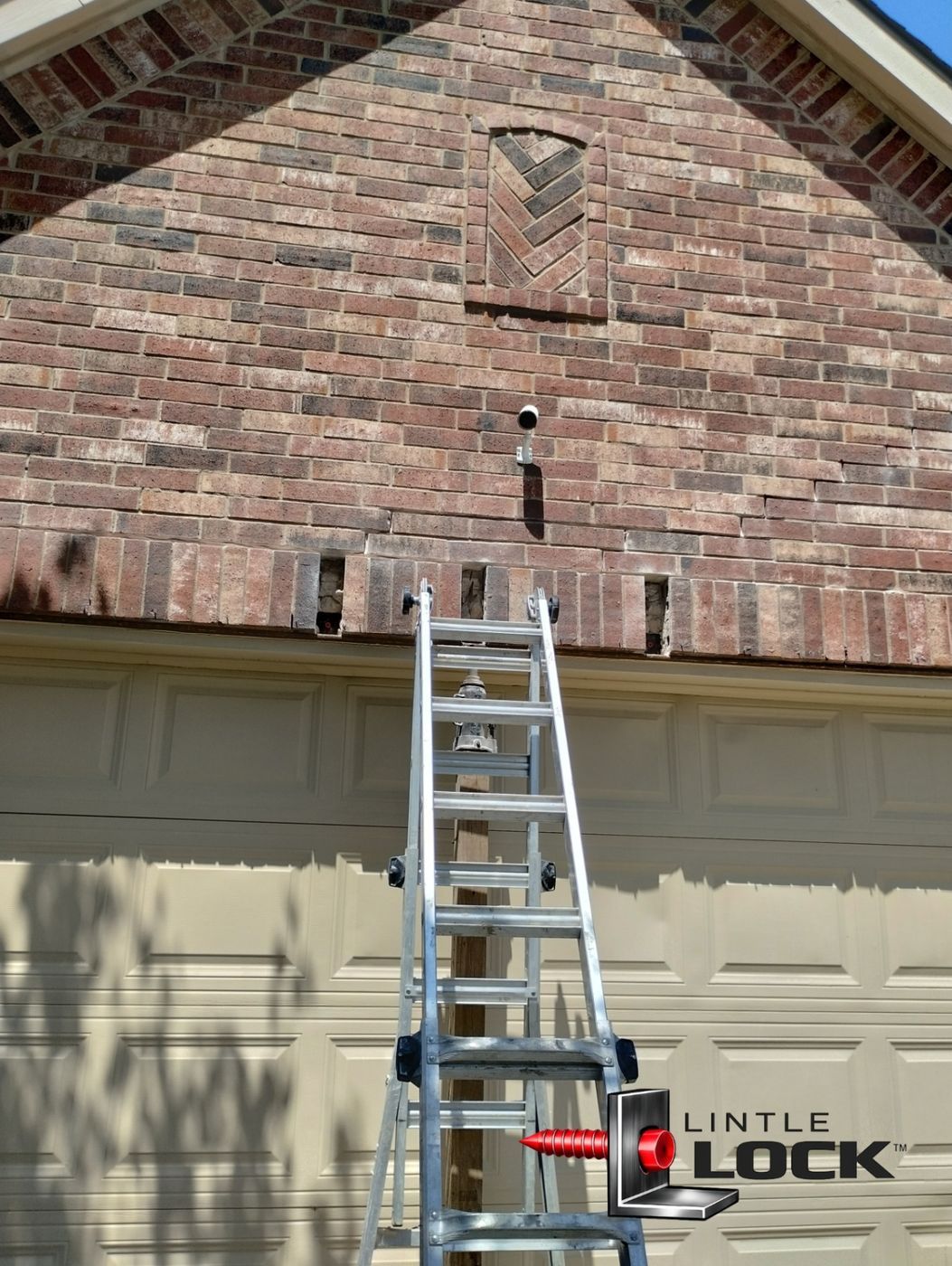
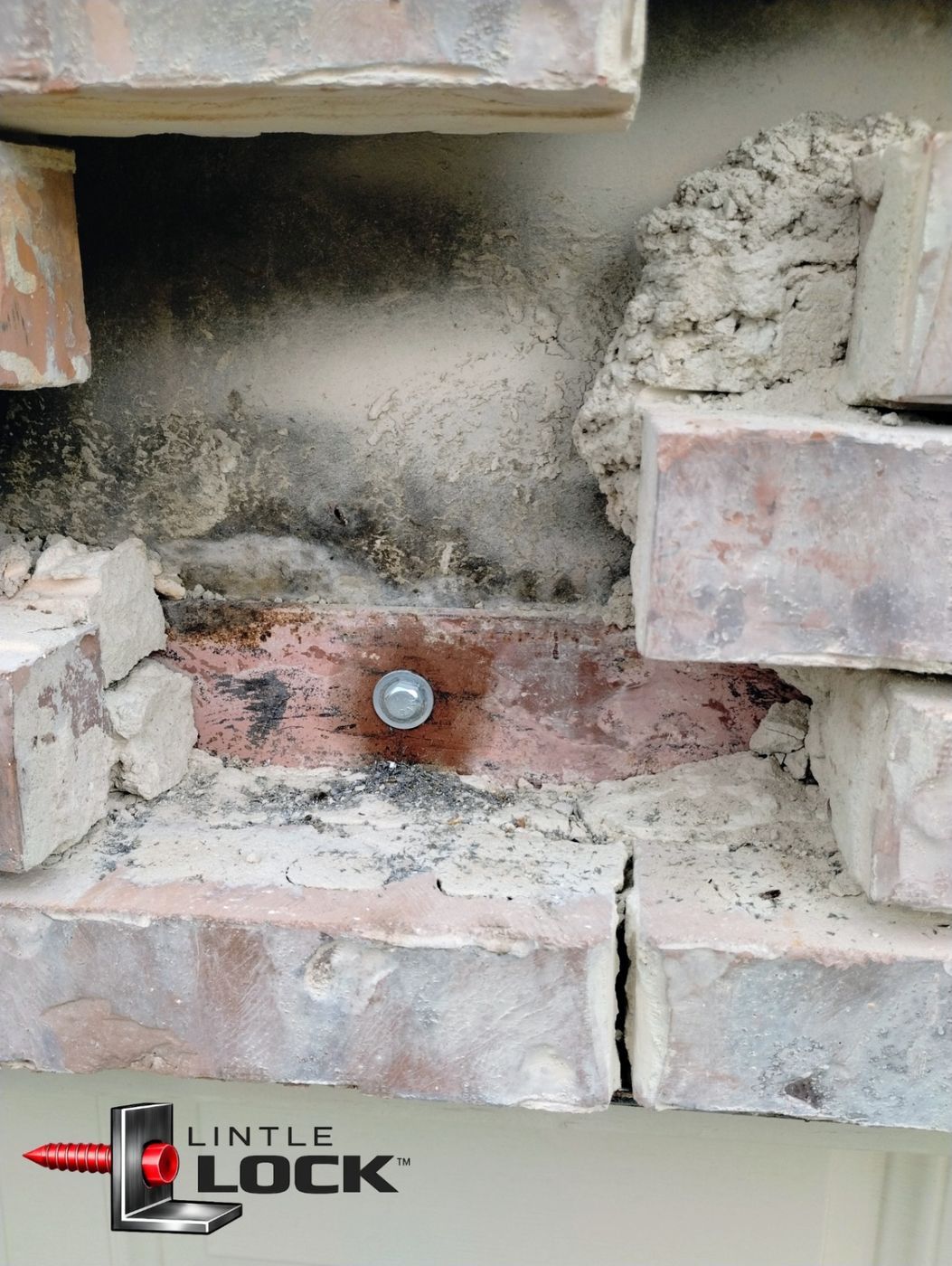
A sagging garage lintel is not simply a cosmetic crack. It is often a Rotational Lintel Failure involving rotational sagging and torsional twisting of the steel angle above the garage door.
The steel lintel may begin to rotate out of its intended plane. As the angle tilts, the brick above loses consistent support. Mortar joints crack, brick courses shift, and the opening can gradually deform.
Standard repair narratives often miss this rotational mechanism. They focus on the cracked mortar or visible sag instead of correcting the steel’s position.
Adding more steel does not automatically solve a rotational failure. Standard angle iron can become a band-aid when it merely covers or supports the damaged area without correcting the existing lintel’s torsional twist.
If the original angle remains rotated, the masonry can continue to move around the repair. The crack may return, and the added steel may create a visible obstruction beneath the brick.
LintleLOCK™ takes a different approach:
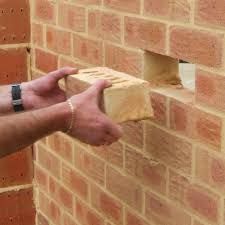
Access the structural area. Technicians may remove up to three bricks to reach the existing lintel and structural header.
Correct the rotation. The existing steel angle is rotated back toward its original structural position.
Anchor the lintel. High-torque coated steel lag bolts connect the lintel to the structural wood header.
Lock the correction. The system stabilizes the lintel against renewed rotational sagging and torsional twisting.
Restore the brickwork. Removed or damaged brick is replaced, and mortar joints are matched to the surrounding wall.
LintleLOCK™ is the only permanent, patented system for sagging lintels designed to reverse rotational sagging rather than simply patch the resulting cracks. The system is backed by a transferable lifetime structural warranty.
We don’t just patch; we lock.
The answer depends on the actual failure, not just the width of the garage door. Factors affecting garage lintel repair cost include:
Lintel span and configuration
Degree of rotation, sagging, or torsional twisting
Number of damaged bricks
Access to the structural header
Mortar removal and repointing requirements
Brick and mortar matching complexity
Water damage, corrosion, or flashing concerns
Historic restoration requirements
Engineering or insurance documentation
A contractor should inspect the lintel and surrounding masonry before providing a responsible price. Be cautious of a quote based only on a photograph if the repair involves structural movement.
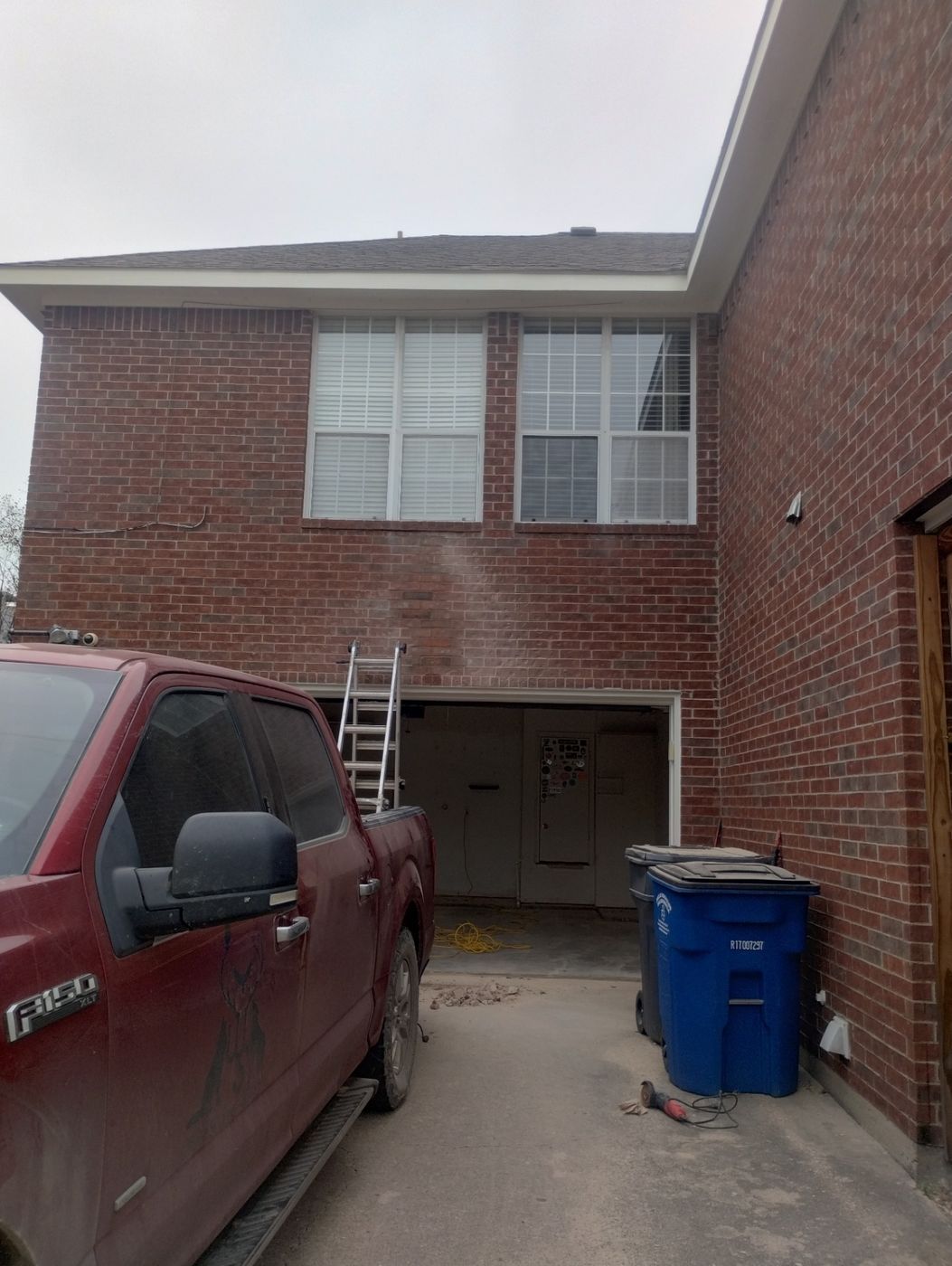
Structural stability is only half the repair. A technically sound repair can still look poor when the replacement brick or mortar does not match.
Champion Brick Repair uses a custom matching process through its MortarMagic™ system. The goal is to match more than color. A successful repair considers:
Brick color and blended tones
Surface texture and manufacturing marks
Brick dimensions and profile
Bond pattern and joint spacing
Mortar color and sand blend
Mortar texture and tooling profile
Weathering, staining, and age
Historic construction methods
New mortar often appears darker or brighter than the surrounding wall until it cures. That is why matching should be evaluated after drying, not immediately after installation.
Historic masonry requires additional care. Do not assume the strongest mortar is the best mortar. A mortar that is harder or stronger than the original brick can force movement into the brick units, causing edge damage, spalling, or new cracks.
The Brick Industry Association’s Technical Notes 8 and 8B address mortar selection and quality assurance. For historic work, evaluate the existing brick and mortar before selecting a replacement mix. Match compatibility, compressive strength, texture, and moisture behavior, not just the color.
For engineers and project managers, create a test area when the appearance or historic significance of the project requires it. Review the brick, mortar, joint profile, and cleaning method together. The finished appearance depends on the complete assembly.
Whether you need brick crack repair near me, a damaged wall repair, or a historic masonry restoration, the process should identify the cause before replacing materials.
Look for stepped cracks, vertical cracks, displaced brick, bulging walls, rust staining, open joints, and separation around openings. Document the width and location of cracks. A 1/16-inch crack and a displaced lintel do not represent the same repair.
Inspect chimneys, flashing, mortar caps, window interfaces, downspouts, and wall transitions. The BIA’s Technical Note 46 recommends regular inspection and maintenance, including repointing, brick replacement, sealant repair, and moisture control.
Loose brick and failing mortar must be removed without damaging sound surrounding masonry. Champion technicians commonly remove deteriorated mortar to approximately 5/8 inch before cleaning and repointing, depending on the condition of the joint.
If the opening has a rotationally sagging lintel, correct and lock the lintel before completing cosmetic restoration. Do not repoint a moving crack and call the job finished.
Set matching replacement brick, fill the joints completely, and tool the mortar to match the existing profile. Clean mortar smears carefully to avoid damaging the brick face.
Advanced masonry repair is not limited to garage openings. Dallas property owners also commonly need:
Brick mailbox repair in Dallas, TX, including replacement inserts, address blocks, flags, and matching brick
Brick arch repair for sagging, cracked, or displaced arches
Chimney mortar cap repair, repointing, damaged brick replacement, or full chimney replacement
Missing spalled brick replacement
Exterior brick wall repair after impact, plumbing work, or water damage
Firebox repair and resurfacing before the next fireplace use
Each application has different performance requirements. A firebox requires heat-resistant materials. A chimney requires moisture control. A brick arch depends on its geometry and support. A mailbox needs a stable base and accurate visual matching.
For engineers, architects, and project managers, the BIA technical notes provide useful reference points:
Technical Note 31B: Structural Steel Lintels explains that lintel design should account for loads, stress, serviceability, deflection, bearing, and rotation, not rule-of-thumb sizing alone.
Technical Note 18A: Accommodating Expansion of Brickwork addresses movement joints, differential movement, flexible anchorage, and expansion near openings.
Technical Note 8: Mortars for Brickwork covers mortar materials and properties.
Technical Note 8B: Mortars for Brickwork, Selection and Quality Assurance addresses mortar selection.
Technical Note 46: Maintenance of Brick Masonry covers inspection, repointing, brick replacement, sealants, flashing, and general maintenance.
BIA Technical Notes index provides the broader reference library.
Use these documents with project-specific judgment. The correct repair depends on the existing wall assembly, materials, loads, movement, moisture exposure, and condition.
When you search for lintel repair near me, masonry repair in Dallas, TX, or Dallas brick repair, compare more than the initial price. Ask whether the contractor will:
Identify the failure mechanism
Correct rotational lintel movement when present
Match existing brick and mortar
Address water entry and damaged joints
Work with your insurance carrier
Provide a written warranty
Document the repair for a sale, inspection, or historic renovation
Champion Brick Repair & Whitestone Construction backs its work with the Lifetime Champion Brick Repair System and works with all insurance carriers to make masonry repairs more manageable.
Need a reliable repair plan for your home, investment property, historic building, mailbox, chimney, or garage opening?
Use the quick and easy free online estimate, call (817) 523-1540, or visit Champion Brick Repair.
If our team recently completed your project, please leave a Google review. Your feedback helps Dallas-area property owners find qualified masonry repair professionals.
Champion Brick Repair is a division of Whitestone Construction, Hamilton, Texas, and is not affiliated with any other companies using similar names.
Cracks are ugly — let Champion Brick Repair fix them right, with mortar matched to your home and a lifetime warranty.