September 25, 2026 · By Abraham Wix-Expert
Thanksgiving gives your home a closer inspection than usual. Guests walk the front path, stand near the garage, notice the mailbox, and gather around the fireplace. That fresh set of eyes can reveal brick and chimney problems you have been overlooking since last winter.
The timing matters for another reason: the first cold snap and the first serious fire of the season often arrive within weeks of Thanksgiving. Water already inside cracked mortar, damaged brick, or a failing chimney cap can turn into a larger repair when temperatures drop.
Use this pre-holiday walkthrough to separate cosmetic concerns from safety and water-intrusion problems.
Complete your inspection before the holiday for three practical reasons:
Guests will notice exterior defects. Cracked brick, loose mortar, and a damaged mailbox are easy to spot when people approach your home.
Your fireplace may be used for the first time in months. A chimney mortar cap or firebox that looked acceptable in spring may now be leaking or deteriorating.
Freeze-thaw weather is approaching. When water freezes inside masonry, it expands by roughly 9 percent. That pressure can widen cracks, break down mortar, and push already weak brick faces loose.
Tip: Walk around your home in daylight with a flashlight, binoculars, and your phone camera. Photograph anything that looks different from last year.
Start at eye level and examine horizontal and vertical mortar joints. Look for:
Crumbling or sandy mortar
Joints recessed noticeably behind the brick face
Mortar that falls out when lightly touched
Open gaps around windows, doors, or corners
Dark staining that suggests persistent moisture
Healthy-looking mortar should not behave like loose soil. Do not cover deteriorated joints with surface caulk or paint. Proper repair usually requires removing unsound mortar to an appropriate depth, cleaning the joint, and installing compatible mortar.
For technical background on masonry movement and expansion joints, review the Brick Industry Association technical notes.
Compare current cracks with photographs from previous years. Pay attention to:
Stair-step cracks that follow mortar joints
Vertical cracks near wall corners
Horizontal cracks below rooflines or windows
Cracks that continue through brick units rather than only the mortar
Cracks that are wider at one end
A single hairline crack is not automatically an emergency. A crack that is widening, offset, or accompanied by bulging brickwork deserves a closer evaluation.
Use this brick crack diagnostic guide to understand why temperature changes, moisture, settlement, and structural movement can produce different crack patterns.
The masonry above a garage opening deserves special attention because the opening interrupts the wall’s support. Look for:
Sagging brick courses
Stair-step cracks at both ends of the opening
Crushed or squeezed mortar
A visible dip in the horizontal brick line
Separation between the brick and the garage-door trim
Do not dismiss this damage as a cosmetic crack. Brick above a garage door may be reacting to a failing lintel, inadequate support, or movement around the opening.
If you searched for lintel repair near me, this is the area to document carefully. Take photographs from several angles, but do not place yourself beneath loose or visibly shifting masonry.
Corners above and beside openings concentrate movement. Inspect the brick at:
Upper window corners
Door headers
Window sills
Changes in wall height
Transitions between brick and siding or trim
Spalled brick beneath a window sill often points to repeated moisture exposure. Look for flaking faces, broken corners, and brick that has split parallel to the wall surface.
See the guide to missing and spalled brick replacement for more information on matching replacement brick and mortar.
Spalling occurs when the face of a brick flakes, pops off, or breaks away. Common signs include:
Thin layers missing from the brick face
Rough, bloated, or powdery brick surfaces
Cracked brick edges
Loose fragments near the wall or in landscaping
White powder or chalky staining is called efflorescence. It means water has moved through the masonry and carried soluble salts to the surface. Efflorescence is not always a structural emergency, but it is a moisture clue. Find the water source before cleaning the stain.
Look along the base of brick veneer walls for small openings called weep holes. These allow trapped water to drain from the wall assembly.
Do not fill weep holes with mortar, caulk, soil, mulch, or insect foam. If they are blocked, water may remain trapped behind the brick and contribute to staining, mortar deterioration, or interior damage.
Inspect downspouts, splash blocks, soil, and grading. Confirm that:
Downspouts discharge at least several feet away from the foundation
Soil slopes away from the wall rather than toward it
Gutters are not overflowing onto brick
Sprinklers are not repeatedly soaking the same wall
Mulch is not piled against the brick veneer
Water management is often the least glamorous part of masonry repair, and one of the most important. Fixing a wall without correcting the water source is how the same problem gets invited back for Christmas.
Your mailbox and low garden walls receive constant exposure to vehicles, sprinklers, lawn equipment, and freeze-thaw cycles. Check for:
Loose or missing bricks
Cracked mortar around the insert
A leaning mailbox column
Damaged address blocks or flags
Open cracks at wall ends and caps
If your holiday walkthrough reveals damage, schedule brick mailbox repair in Dallas TX before a loose brick becomes a falling brick.
Use binoculars from a safe location. Look for:
Horizontal or diagonal cracks across the cap
Crumbling or powdery mortar
Missing sections
Ponding water
A cap that appears tilted or separated from the chimney stack
Loose or spalled brick near the top
A cracked mortar cap matters more in winter because it allows water into the chimney stack. That water can freeze inside the cap, mortar joints, and brick, creating progressive freeze-thaw damage.
Review the dedicated chimney mortar cap repair guide if you see cracking, leakage, or deteriorated masonry.
White staining on the chimney can indicate moisture migration. Dark streaks may indicate runoff, biological growth, or prolonged wetting. Look for loose brick pieces on the roof, in gutters, or at the base of the chimney.
Do not climb onto the roof to inspect the cap yourself. Roof slopes, wet surfaces, and loose masonry create unnecessary fall and falling-object hazards. A professional can evaluate the cap, stack, flashing, and surrounding brick without turning your holiday preparation into an emergency-room visit.
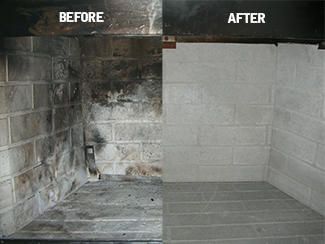
Before lighting the first fire, look at the firebox. Note:
Cracked or missing firebrick
Open or eroded mortar joints
Heavy white staining
Loose pieces
Rusted damper components
Smoke stains outside the normal firebox area
If smoke enters the home, loose brick is falling, or the chimney leans, stop using the fireplace until it is evaluated. A masonry repair does not replace a flue inspection or chimney cleaning when those services are needed, so involve the appropriate chimney professional for combustion and flue concerns.
Set realistic expectations. Small, accessible repairs (such as limited repointing, isolated spalled-brick replacement, or a minor mortar cap repair) may be completed before the holiday if you schedule early and weather cooperates.
Larger work requires more planning. A chimney rebuild, extensive wall reconstruction, structural lintel repair, or difficult historic-brick match may require material sourcing, additional evaluation, multiple workdays, or a longer scheduling window. No responsible contractor should promise a major rebuild the week of Thanksgiving without seeing the site.
Fall scheduling is usually better than waiting for emergency winter work. You have more time to compare options, coordinate access, and address water entry before the first freeze. Weather delays and holiday demand can make late-November appointments harder to secure.
Prioritize repairs in this order:
Safety first: loose falling brick, leaning chimney masonry, smoke entering the home, unstable garage-opening brick, or severe firebox damage.
Water intrusion second: cracked mortar caps, open mortar joints, blocked drainage, failed flashing, spalled brick caused by ongoing moisture.
Appearance third: staining, minor color variation, isolated cosmetic defects, and non-urgent matching work.
This order protects people first, then the building, then the presentation your guests will notice.
Whether you need brick repair Dallas, masonry repair Dallas TX, dallas brick repair, brick crack repair near me, or chimney mortar cap work, document the problem before Thanksgiving traffic begins. Clear photographs and early scheduling make it easier to determine whether the repair is cosmetic, moisture-related, or structural. If you want us to review the issue remotely, text photos to (817) 523-1540.
Request a quick and easy free online estimate or call (817) 523-1540 to discuss your masonry concern.
If Champion Brick Repair & Whitestone Construction has helped prepare your home, please leave feedback on our Google Review page.
Champion Brick Repair & Whitestone Construction Hamilton, Texas · (817) 523-1540 · Serving Dallas–Fort Worth · championbrickrepair.com
Champion Brick Repair is a division of Whitestone Construction, Hamilton, Texas, and is not affiliated with any other companies using similar names.
Cracks are ugly — let Champion Brick Repair fix them right, with mortar matched to your home and a lifetime warranty.