September 24, 2026 · By Abraham Wix-Expert
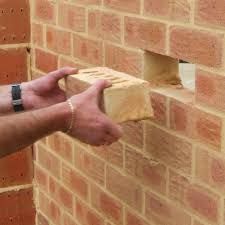
Historic brick repair is not a matter of grabbing the closest red brick from a supply yard and hoping the mortar hides the difference. Older Dallas homes often use brick with unusual dimensions, mixed firing colors, weathered faces, and softer absorption characteristics than modern products.
When the replacement brick or mortar is wrong, the repair stands out immediately. It can also create technical problems that lead to more cracking, moisture damage, and spalling.
For homeowners, property managers, engineers, and preservation professionals looking for brick repair Dallas, the goal is simple: restore the wall’s performance and make the repair visually quiet. That requires matching the entire masonry system, not just the brick color.
A mismatched repair affects more than curb appeal. It can influence:
Property value: A visible patch can make a well-maintained historic home look neglected.
Home inspections: Buyers and inspectors may question whether the repair addressed the underlying damage.
Appraisals: Obvious repairs can affect how the property’s condition and historic character are evaluated.
Historic district review: Some Dallas neighborhoods and preservation districts expect repairs to respect original materials, bond patterns, and appearance.
Long-term durability: An incompatible brick or mortar can force moisture into the surrounding masonry and accelerate deterioration.
Historic brickwork is often a blend of natural variation. One wall may contain red, brown, orange, gray, and muted purple tones because of differences in clay, kiln location, firing temperature, and exposure.
Do not match a historic wall by color alone. A replacement brick can look close in a photograph but appear completely different once it is installed beside weathered masonry.
Measure the existing brick rather than relying on its name. Historic brick may not conform to today’s standard modular sizes.
Check:
Length
Height
Thickness
Bed depth
Edge shape
Face dimensions
Dimensional variation from brick to brick
Even a difference of 1/4 inch in height can change the coursing and joint alignment. A replacement brick that is too tall or too short may force the mason to use oversized mortar joints, creating an obvious repair line.
Match the wall’s full color range, not one representative brick.
Look for:
Dominant background color
Darker and lighter bricks
Iron spots
Kiln flashing
Burn marks
Color bands
Weathered or faded faces
Recessed and raised surface areas
A sample board is more useful than a single brick. Place several candidates beside the existing wall in natural daylight, shade, and direct sun. Dallas light changes significantly throughout the day, and a match that looks right in the morning may look too orange or too dark in the afternoon.
Texture affects how a brick reflects light. Historic brick may be smooth, sand-faced, wire-cut, handmade, roughened, or heavily weathered.
Compare:
Face texture
Edge softness
Surface pits
Tool marks
Mineral inclusions
Weathering patterns
A smooth modern brick placed in a wall of textured historic units will look new even if the color is close.
Brick is a functional material, not just a finish. Check how quickly the original brick absorbs water and how hard or soft the face feels compared with candidate replacements.
The replacement should be compatible with the surrounding masonry’s:
Water absorption
Porosity
Density
Compressive strength
Weathering behavior
A very dense, hard replacement brick can behave differently from softer historic units. Instead of sharing moisture movement with the wall, it may redirect water into adjacent brick and mortar joints.
Many homeowners focus on the brick and overlook the mortar. That is a costly mistake. Mortar can occupy 15% to 25% of a masonry wall’s visible surface, depending on the joint width and bond pattern.
Match the mortar’s:
Color
Sand color
Aggregate size
Aggregate gradation
Cement-to-lime balance
Texture
Joint width
Joint depth
Tooling profile
The joint may be flush, recessed, weather-struck, concave, or slightly overfilled. Replicating the original tooling is essential because shadows make even small profile differences visible.
Older Dallas homes may contain soft, porous brick installed with lime-rich or relatively low-strength mortar. Repointing that masonry with a hard, cement-rich modern mortar can create a mismatch in strength and vapor permeability.
The result may include:
Cracked brick faces
Spalled surfaces
Trapped moisture
Efflorescence
Freeze-thaw damage
Crumbling edges
Premature mortar failure in adjacent areas
The National Park Service’s Preservation Brief 2: Repointing Mortar Joints in Historic Masonry Buildings recommends matching the historic mortar’s appearance, composition, strength, and permeability. The replacement mortar should generally be softer than the brick and no harder or less permeable than the original mortar.
The Brick Industry Association technical notes also provide guidance on masonry movement, expansion, and compatible construction practices.
“The mortar should be the sacrificial element, not the historic brick.”
That principle matters. A compatible mortar joint can absorb movement and moisture changes. An overly hard mortar may force the brick to absorb stress instead.
Caution: Do not assume a stronger mortar is a better mortar. On soft historic brick, excessive hardness can cause the masonry units to fail while the mortar remains intact.
A professional Dallas brick repair process should begin with investigation, not demolition.
Photograph the wall in natural light. Record the brick dimensions, color range, texture, bond pattern, joint width, and mortar profile.
Also identify whether the wall is:
Running bond
Common bond
English bond
Flemish bond
Stack bond
A decorative or custom pattern
A small cleaned test area can reveal the original color beneath dirt, paint, biological growth, or surface deposits. Do not pressure-wash aggressively or use harsh chemicals before evaluating the brick and mortar.
Depending on the project, matching brick may come from:
Salvage yards
Demolition recovery
Specialty historic-brick suppliers
Existing unused brick on the property
Custom manufacturing
Reclaimed brick can be useful, but it still must be evaluated for size, soundness, absorption, and face condition. “Old” does not automatically mean “compatible.”
Mix small mortar samples using the proposed sand, binder, pigments, and aggregate. Compare the samples after curing, not just while wet.
Mortar often lightens as it dries. The sand and aggregate may matter more to the final appearance than the pigment.
For a visible or historically significant repair, install a sample panel using several candidate bricks and the proposed mortar. Match the actual bond pattern and joint profile.
Evaluate the panel from several distances:
Close range: 2 to 3 feet
Typical viewing distance: 10 to 20 feet
Across the street or from the sidewalk
This is where a good match becomes obvious, or the mismatch gets corrected before the full repair.
Remove damaged units without unnecessarily disturbing sound brick. Prepare the opening, install the replacement, tool the mortar to match, and clean the masonry without smearing mortar across the brick face.
For a larger repair, blend replacement units through the affected area rather than creating a sharp rectangle of new material. Historic walls rarely have perfectly uniform color, so the repair should reflect that variation.
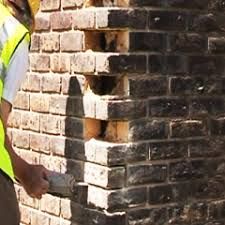
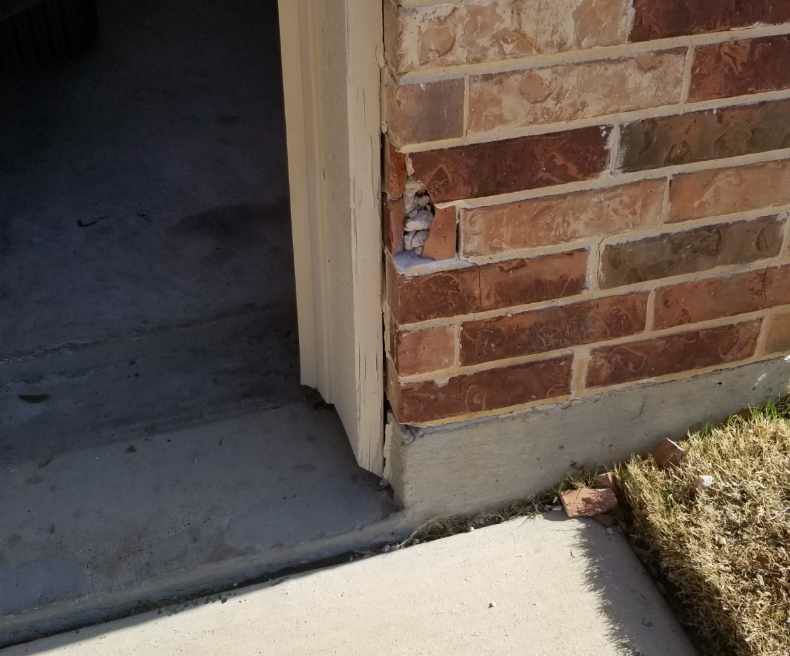
Spalling occurs when the brick face flakes, cracks, or breaks away. Moisture intrusion, freeze-thaw cycling, salt deposits, impact, and incompatible mortar can all contribute.
“Missing spawl brick” is a common search term, but the technical term is usually spalled brick.
Replace a spalled unit when:
The face has detached significantly
The brick is soft or powdery
Cracks extend through the unit
Water can enter behind the damaged face
The damage affects a corner, opening, or load-bearing area
Previous patching has failed
Do not simply smear mortar or concrete over a deteriorated brick face. That may hide the damage temporarily while leaving the unstable material in place.
Use the Champion missing spawl brick repair service for targeted replacement of missing, damaged, or deteriorated units.
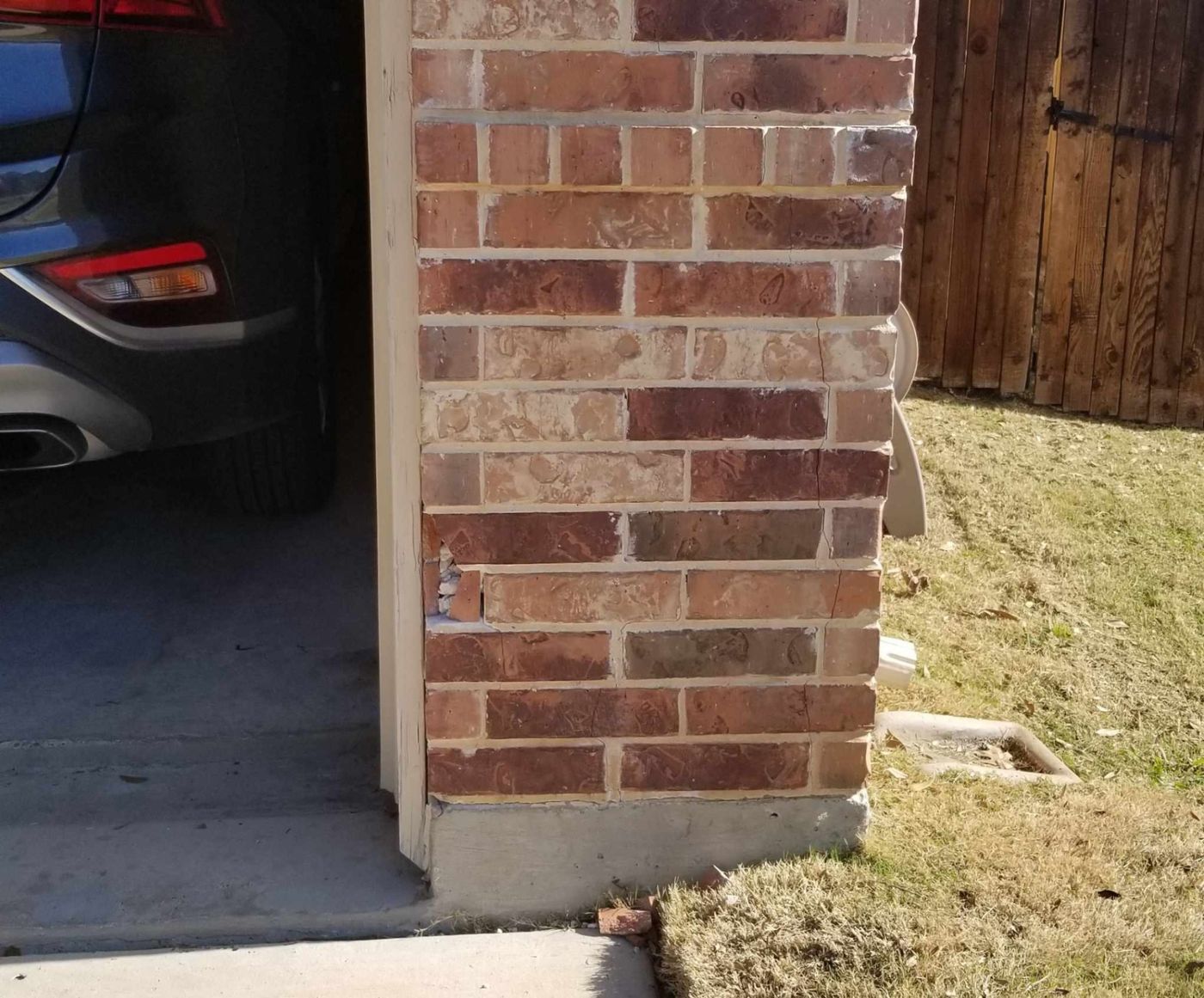
A single brick cannot show how a blend will look across a wall. Use multiple samples in a test panel.
A close brick match with the wrong joint color or profile can still make the repair obvious.
Test the original material whenever possible. Historic brick may require a softer, more permeable mortar.
Compare samples outdoors in Dallas daylight. Inspect them when dry and after exposure to moisture.
A crack may involve settlement, thermal movement, a failing lintel, or an unstable arch. Matching the brick without correcting the cause only resets the clock.
For related concerns, see our pages on brick crack repair, lintel repair, and chimney mortar cap repair.
Successful historic masonry repair does not call attention to itself. It uses compatible brick, compatible mortar, accurate dimensions, the correct bond pattern, and tooling that respects the original construction.
Whether you need masonry repair Dallas TX, a small repair before an inspection, or brick crack repair near me, start with a material assessment, not a generic patch.
Need brick matching, spalled brick replacement, mortar repair, or historic masonry restoration in the Dallas–Fort Worth area?
Request a quick and easy free online estimate, call Champion Brick Repair & Whitestone Construction at (817) 523-1540, or text photos to (817) 523-1540 for a free inspection or free evaluation.
If our work helped restore your masonry, please leave feedback on our Google Review page.
Champion Brick Repair is a division of Whitestone Construction, Hamilton, Texas, and is not affiliated with any other companies using similar names.
Cracks are ugly — let Champion Brick Repair fix them right, with mortar matched to your home and a lifetime warranty.