October 11, 2026 · By Champion Brick Repair
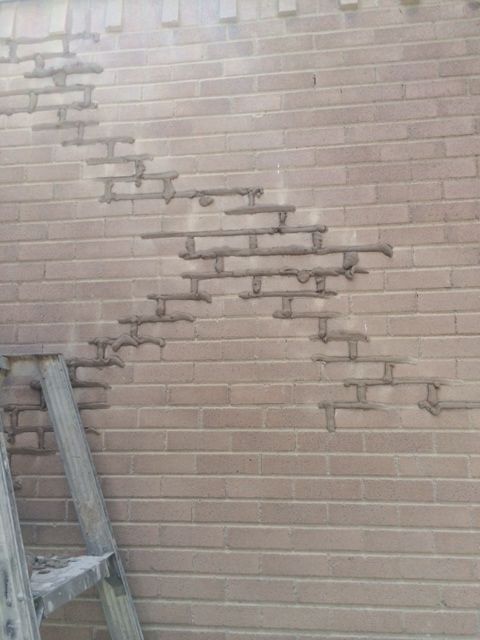
If you own a brick home in Garland, TX, you have probably stood in a store aisle or watched an ad and wondered: should I waterproof my brick? It sounds like cheap insurance — one coat and the rain stays out. Here is the plain answer: sometimes sealing your brick is smart, and sometimes it is the fastest way to wreck it. Waterproofing only helps when the wall can still breathe and the real water paths are already fixed.
Before you buy a bucket of anything, here is what a mason wants you to know about sealing brick in North Texas.
Brick and mortar are porous by design. Moisture moves through them as vapor — in from rain, back out as the wall dries. That two-way traffic is what keeps the wall healthy through our wet springs and freeze snaps.
Coat the wall with the wrong product and you shut down the exit lane. Moisture still gets in through joints, cracks, and the back side of the veneer, but now it cannot get out. Pressure builds behind the surface. Come the next freeze, trapped water expands and pops the brick faces clean off. That is how a well-meaning sealer turns into a spalling problem.
Not all waterproofers work the same way, and the difference decides whether your wall survives:
Penetrating repellents (silane/siloxane). These soak into the brick and line the pores without closing them. Water beads on the surface; vapor still passes through. This is the only category that belongs on brick veneer.
Film-forming sealers (acrylics, urethanes, oil-based coatings). These lay a plastic-like skin over the surface. Fine for a concrete patio; wrong for brick. They trap moisture behind the film, and on brick that means blistering, peeling, and spalled faces.
If a product promises a glossy finish or a thick protective shell, it is a film-former. Walk away.
Here is the part the ads skip: a sealer only slows water coming through the face of the brick. It does nothing about water arriving from behind or through failed details — which is where most Garland brick leaks actually start:
Missing or failed through-wall flashing dumping cavity water behind the veneer
Clogged or missing weep holes with nowhere for water to exit
Open, cracked, or deteriorated mortar joints
Cracked chimney crowns and caps funneling water into the flue chase
Rusting lintels wicking water into the surrounding brick
Seal over any of those and you have not fixed the leak — you have locked the water inside the wall. A smear of mortar or a coat of sealer over a cracked wall just hides the symptom while the cause keeps working.
Sealing earns its keep in the right situations:
Wind-driven rain exposures. West and south elevations that take the brunt of our storms stay saturated longer. A penetrating repellent cuts absorption on those faces.
Soft or highly porous brick that soaks up water and stays damp for days after rain.
After repairs are complete. Fresh repointing, rebuilt sections, and new flashing should be fully cured first — give new mortar time to cure before any repellent goes on.
As a maintenance step, not a repair. Sealer preserves a sound wall. It does not rescue a failing one.
If you want waterproofing to work, the wall has to be right before the bucket opens:
Repoint open joints properly. Ground-out joints filled with matched mortar — real repointing, not a caulk gun — close the front door to water.
Verify your weeps. Water that gets behind the brick still needs an exit. Sealing the face while the weeps are clogged is asking for trouble.
Handle efflorescence first. That white powder means salts are already moving through the wall. Understand what efflorescence is telling you before you seal over it.
Fix the flashing. Read how through-wall flashing protects Dallas brick veneer — no coating substitutes for it.
Is the product penetrating or film-forming — and will the wall still breathe after it is applied?
What gets repaired before any sealer goes on, and why?
How long after repointing should we wait before sealing?
What does your workmanship cover if the wall still leaks?
The honest contractor talks about drainage, joints, and flashing before talking about buckets. For local help, see Champion's brick repair services in Garland.
Champion Brick Repair is a division of Whitestone Construction, Hamilton, Texas, and is not affiliated with any other companies using similar names.
Not sure whether your wall needs a repair, a sealer, or both? Send photos and get a straight answer.
Call or text photos: (817) 523-1540
Website:championbrickrepair.com
Estimate:quick and easy free online estimate
Review our work:Google Review page
Cracks are ugly — let Champion Brick Repair fix them right, with mortar matched to your home.