September 30, 2026 · By Abraham Wix-Expert
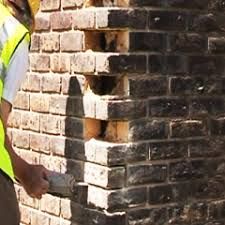
Winter in Dallas–Fort Worth is not consistently cold, but it does not need to be. A few wet nights followed by freezing temperatures can start a freeze-thaw cycle that damages brick, mortar, chimneys, mailboxes, garden walls, and brick veneer.
If you are asking, “Did the freeze crack my brick?” inspect the masonry now. The goal is simple: find water entry and early deterioration before the next freeze turns a small repair into a rebuilt wall section.
Brick and mortar contain tiny pores. When rain, irrigation spray, or humidity saturates those pores and temperatures fall below freezing, the water turns to ice and expands by roughly 9 percent.
That expansion creates internal pressure. The pressure pushes against the surrounding brick and mortar from the inside. When temperatures rise, the ice melts. Then the masonry gets wet and freezes again.
That repeated wet–freeze–thaw–wet cycle is often more damaging than one long, hard freeze.
North Texas sees exactly the type of weather that creates this problem:
Rain followed by freezing temperatures
Ice storms and sleet
Winter irrigation overspray
Poor drainage at the base of a wall
Water held on chimney caps, sills, ledges, and retaining walls
Shaded masonry that remains damp after temperatures rise
The Brick Industry Association addresses masonry movement and moisture-related cracking in its Technical Notes. Freeze-thaw damage is a moisture problem first and a temperature problem second.
“Freeze-thaw damage requires both moisture and repeated crossings below freezing.”- Building-envelope guidance summarized by the National Institutes of Health Technical Bulletin
Most residential brick veneer is a relatively thin exterior wythe attached to a framed wall. It is not the same as a massive structural masonry wall. Open mortar joints, damaged flashing, or saturated brick veneer can allow water to reach the wall assembly behind it.
A brick veneer wall may look stable while moisture is working behind the surface. After a freeze, inspect more than the most obvious crack.
Older brick is often softer and more porous than modern, harder-fired brick. That does not automatically make it defective. It means the brick must be allowed to shed and release moisture properly.
Mortar also matters. Mortar that is too hard for the brick can force movement into the brick units instead of allowing the joint to accommodate small changes. The result may be cracked brick faces, broken edges, or premature spalling.
Tip: The best mortar is not automatically the hardest mortar. A repair should use a mortar compatible with the brick’s strength, porosity, age, and exposure.
Walk the entire exterior in good daylight. Compare what you see with older photographs if you have them. New damage is easier to identify when you know what the wall looked like before the freeze.
Look for:
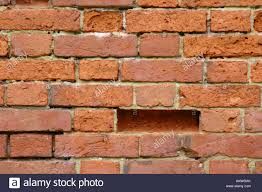
Spalled brick is more than a cosmetic blemish. The outer face of the brick acts as a first line of protection. When that face pops off, the softer interior becomes exposed.
That exposed core can absorb water faster. More absorbed water means more freeze-thaw pressure. More pressure causes additional flaking and cracking.
This is why spalled brick repair should not be postponed until spring if the damage is active or water-exposed. The repair may involve removing the damaged unit, installing a properly matched replacement brick, and correcting the moisture source.
See our guide to missing and spalled brick repair for more information.
Caution: Do not paint or seal a frozen, wet, or spalled wall. Coatings can trap moisture inside the brick and accelerate deterioration. Let the masonry dry, identify the water source, and use only a masonry treatment appropriate for the wall assembly.
Inspect the north and west sides of your home carefully. In many Dallas homes, these elevations receive less effective winter sunlight or remain shaded by rooflines, fences, neighboring structures, and landscaping.
Less sunlight means:
Longer freeze duration
Slower drying after rain or ice
More time for water to remain in brick pores
Greater risk of repeated freeze-thaw stress
Also inspect areas exposed to irrigation spray. A sprinkler that hits brick every morning can create a localized freeze-thaw problem even when the rest of the home looks fine.
Do not stop at the most visible wall. Check these locations:
General mortar joints around the full perimeter
Brick above garage doors
Window and door corners
Brick beneath windowsills
Chimney mortar caps and chimney stacks
Base courses at grade
Brick mailboxes
Garden walls
Retaining walls
Ledges, steps, caps, and other horizontal masonry surfaces
Areas below gutters, downspouts, hose bibs, and irrigation heads
Pay special attention to brick above the garage door. Cracking in that area can result from moisture damage, movement, or a failing lintel. A crack above an opening should not automatically be treated as a simple mortar defect.
For more guidance, read our brick crack diagnostic guide.
Filling a crack can improve the appearance temporarily. It does not necessarily stop water entry or movement.
A repeated patch is a trap when:
The wall is still getting wet
The mortar is incompatible with the brick
A lintel is moving above an opening
A chimney cap is leaking
The grade slopes toward the wall
Irrigation continues to spray the masonry
A retaining wall is shifting
Brick veneer ties or flashing require evaluation
A proper repair begins with diagnosis. Repointing may be appropriate for deteriorated joints. Spalled or missing units may require brick replacement. A damaged chimney cap may need repair or rebuilding. A moving area above a garage or window may require structural correction before the brick is restored.
See our information on chimney mortar cap repair and damaged brick wall repair.
Timing matters. A small section of deteriorated mortar may be a manageable December repair when the wall is properly assessed and allowed to dry.
Ignore it through several freeze-thaw cycles, and the same area may develop:
Larger open joints
Additional spalled brick
Loose or displaced units
Water intrusion behind veneer
Damage extending around windows or doors
A rebuilt wall section instead of a localized repoint
Use the fall repair window to address known defects before winter, then inspect again after every significant freeze. Our brick repair services cover mortar joints, brick replacement, veneer damage, chimneys, mailboxes, and other masonry repairs in the Dallas–Fort Worth area.
If the damage followed a named storm, ice storm, or other potentially covered event, document it before cleaning or making repairs.
Take:
Wide photographs showing the entire elevation
Close photographs of each crack, spalled brick, and damaged joint
Photos from multiple angles
Images showing nearby gutters, downspouts, irrigation, and drainage
The date and approximate time of the inspection
Weather information for the freeze or storm
Earlier photographs showing the masonry before the event
Temporary protection or emergency repair receipts
Interior photographs of staining or moisture intrusion
Avoid removing loose brick or applying coatings before the insurer or qualified professional has had an opportunity to inspect the area. Coverage depends on the policy and the cause of loss, so contact your insurance carrier promptly.
Walk the property and mark each item:
Inspect north and west elevations
Check for new or widened cracks
Look for crumbling, sandy, or recessed mortar
Check for spalled or flaking brick faces
Look for white efflorescence
Check for loose or hollow-sounding brick
Inspect above garage doors and around windows
Inspect chimney caps and chimney stacks
Check wall bases, mailboxes, garden walls, and retaining walls
Look for irrigation overspray or standing water
Photograph all damage
Do not paint or seal wet, frozen, or spalled masonry
Schedule an evaluation if damage is active, widespread, or returning
If you need brick crack repair near me, brick repair Dallas, or masonry repair Dallas TX, start with an inspection that identifies the cause, not just the visible symptom.
Need to document damage or plan a repair before the next freeze? Request a quick and easy free online estimate, request a free inspection or free evaluation, or text photos to (817) 523-1540.
If this guide helped you understand your masonry, leave Champion Brick Repair a Google review.
Champion Brick Repair & Whitestone Construction, Hamilton, Texas · (817) 523-1540 · serving Dallas–Fort Worth · championbrickrepair.com
Champion Brick Repair is a division of Whitestone Construction, Hamilton, Texas, and is not affiliated with any other companies using similar names.
Cracks are ugly — let Champion Brick Repair fix them right, with mortar matched to your home and a lifetime warranty.