October 15, 2026 · By Champion Brick Repair
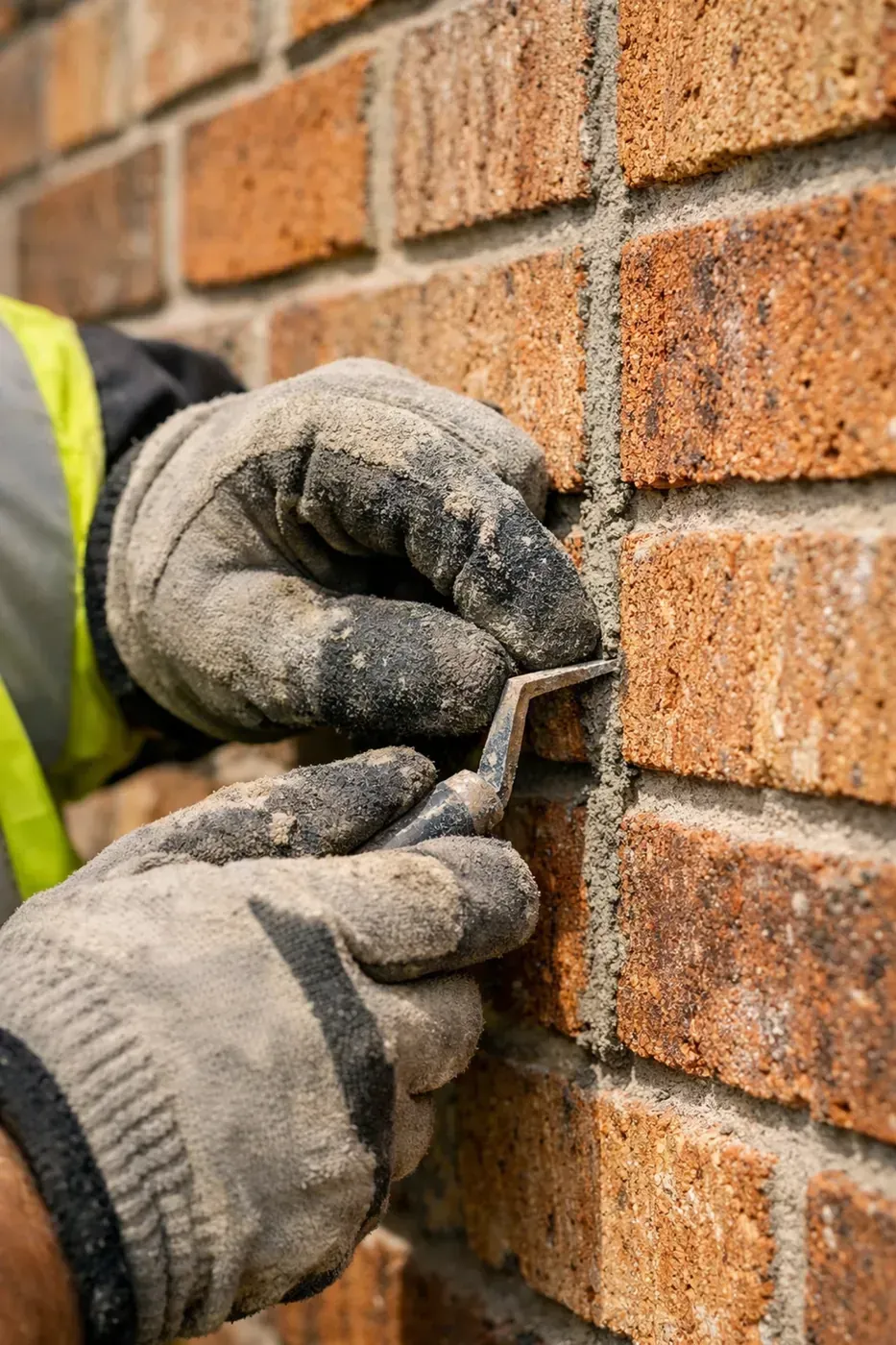
If you are searching for brick porch repair near me in Euless, TX, start at the front door of a Euless home and look down. The porch is the hardest-worked masonry on the house — every step, every delivery, every rainy week lands on it — and it sits out in the weather with no roof load to hold it still and no wall behind it to lean on. When a brick porch sags, cracks, or starts shedding loose brick, it is telling you something specific about its footing, its mortar, or the water moving under it.
A porch fails differently than a wall. The brick on a porch floor and its front edge takes foot traffic, standing water, and soil movement all at once, and the slab or footing under it is often shallower than the house footing beside it. That is why porch damage so often shows up while the house brick right above it still looks fine.
Most porch trouble in Euless traces to one of three causes, and the right repair depends on which one you have. First, soil movement: North Texas clay swells when wet and shrinks when dry, and a shallow porch footing rides that cycle harder than the deeper house footing, so the porch tips, settles, or pulls a crack open where it meets the house. Second, water: a porch top that holds water, joints that have washed out, and drainage that runs toward the house instead of away from it all soften the base and wash support out from under the brick. Third, mortar loss: once the joints on the flat top and the front edge erode, water gets in on every rain, loose brick follows, and each freeze works the damage wider.
None of those three is fixed by smearing new mortar over the top. Name the cause first, then fix the cause — the same order we follow on porch steps, as in our guide to brick step repair in Grand Prairie.
Loose or rocking brick underfoot. A brick that moves when you step on it has lost its bond and its bed. It will not re-bond itself, and the joint around it is already letting water in.
A crack where the porch meets the house. A gap opening along the house line, or a step down from the threshold, points to the porch footing moving separately from the house footing.
Standing water on the porch top. A porch should shed water away from the door. Puddles that sit after rain mean the slope is gone or the top has settled — and that water is working down through every open joint.
Washed-out joints and crumbling front edge. The front edge and the top joints take the weather first. Mortar recessed deep, sand washing out after rain, and faces spalling along the edge are the porch asking for repointing and replacement before the field follows.
A porch column base that is cracking or leaning. If a brick column stands on the porch, check its base. Cracking or lean there can mean the porch under it is moving — the same footing question we cover in brick column repair from the footing up.
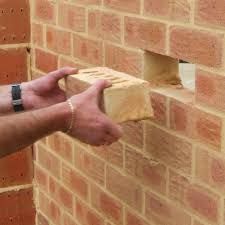
A porch whose footing is sound but whose top brick and joints have failed is a re-lay: the loose and failed brick comes up, the bed is cleaned and checked for slope, and sound brick is cleaned and re-laid — with failed brick replaced to match — in mortar custom matched before it goes in the bag, softer than the brick, tooled to shed water, as we explain in mortar matching 101. Joints are ground out to a solid depth first — five-eighths of an inch is our standard — blown clean, and dampened before pointing, so the new mortar actually bonds instead of skinning over dust.
A porch whose footing has settled, cracked, or washed out is a rebuild from the base: re-laying good brick on a moving base just schedules the same failure again on a shorter clock. The failed section comes down, the base is corrected and compacted so the porch bears evenly, drainage is set to run away from the house, and the brick goes back up on a base that will hold it. The inspection decides which porch you have — step on every suspect brick, check the slope with how water behaves after rain, and look hard at the house-line crack before anyone quotes a surface patch.
Take up only what has failed — and prove the rest is sound. Loose, cracked, and spalled brick comes out; brick that is tight, well-bedded, and shedding water stays. Sounding and stepping the whole top is how that line gets drawn honestly.
Correct the base and the slope. The bed is rebuilt so the porch bears evenly and the top falls away from the door. A porch re-laid flat enough to puddle will fail the same way twice.
Re-lay and repoint to match. Replacement brick is matched for size and color, mortar is matched for color and strength before bagging, joints are tooled to shed water, and the finished work is brushed and cleaned so the repair reads as one porch.
Fix the water path, not just the brick. Downspout discharge, soil built up against the porch edge, and joints left open at the house line all get addressed, or the next rain starts the cycle again.
Walk the porch slowly and put weight on any brick that looks different — darker, lower, or with a wider joint around it. Rocking or crunching underfoot means that brick has let go. Pour a cup of water near the door and watch where it runs: it should move away from the house, not toward the threshold and not sit in a birdbath in the middle. Run your eye along the front edge for a sag or a step, and check the line where the porch meets the house for a gap you can fit a fingertip into.
Take photos straight down on the top and straight at the front edge. A porch caught while the work is still a re-lay of the failed section is a contained job. A porch left until the base has washed or settled across the whole front is a rebuild — same porch, much longer run of work. Loose brick at the front door is also the one repair guests and delivery drivers find with their feet, so it is worth moving up the list.
Is my porch footing sound, and how did you check — or are you only looking at the top brick?
Will the finished top shed water away from my door, and how will you set that slope?
Are you grinding joints out to depth and matching the mortar, or surfacing over what is there?
What is causing the water or soil movement at my porch, and does the repair address it?
If your Euless porch has loose brick, a growing gap at the house line, or water standing where it should run off, get the base and the brick looked at before the failed section spreads. For related information, see Champion's brick repair services in Euless.
Champion Brick Repair is a division of Whitestone Construction, Hamilton, Texas, and is not affiliated with any other companies using similar names.
Loose, sagging, or cracked porch brick at your front door? Get the footing and the brick inspected before the failed section spreads.
Call or text photos: (817) 523-1540
Website:championbrickrepair.com
Estimate:quick and easy free online estimate
Review our work:Google Review page
A porch rebuilt on a sound, well-drained base lasts — let Champion Brick Repair check your footing and re-lay yours right.