October 2, 2026 · By Abraham Wix-Expert
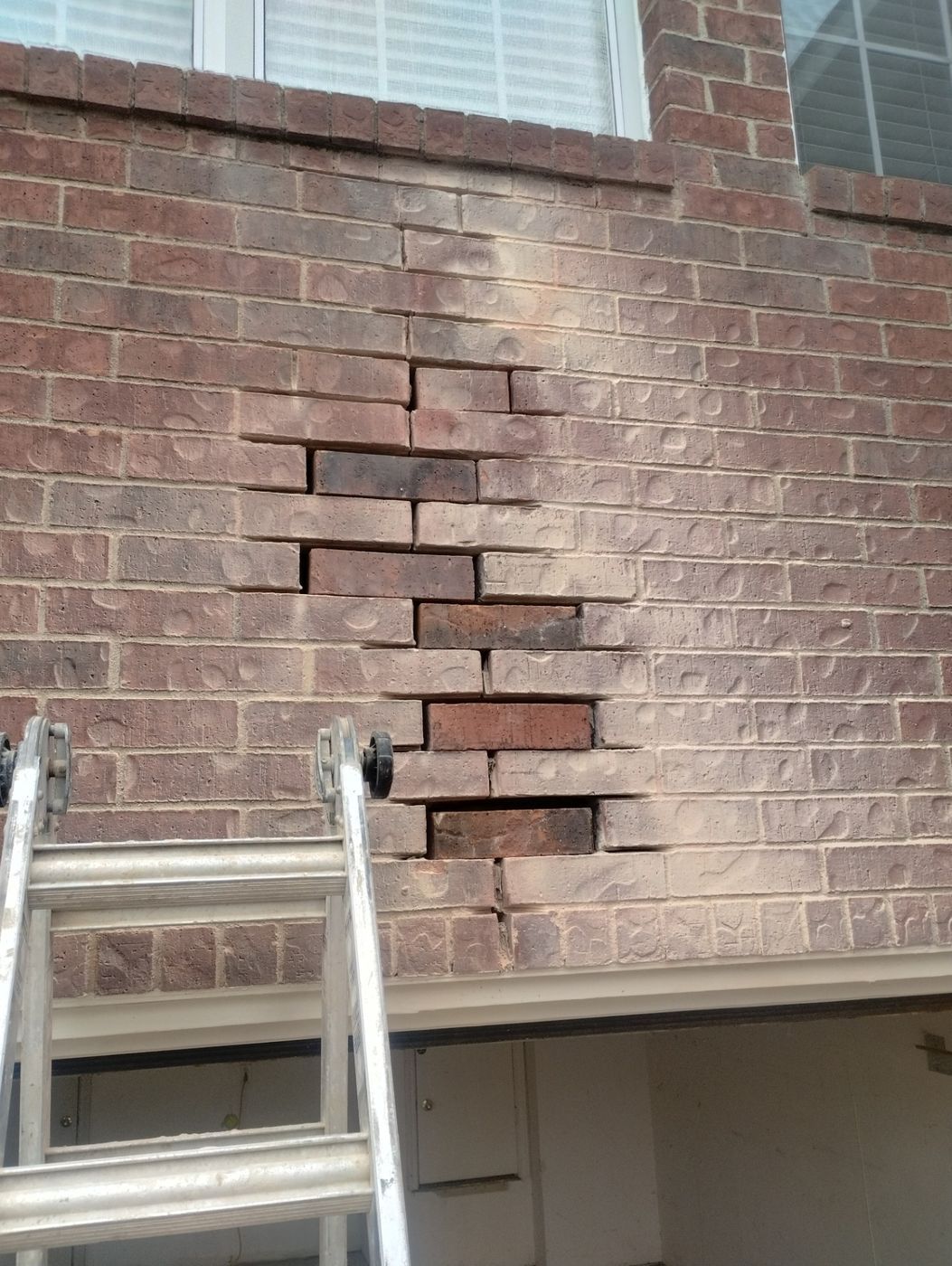
If you are planning brick repair in Dallas, do not assume the strongest mortar is the safest mortar. In many masonry walls, especially older Dallas homes, that decision can damage the brick you are trying to protect.
Mortar is supposed to be the sacrificial element. It should absorb movement, moisture stress, and small shifts before the brick does. When a contractor installs a hard, cement-rich mortar into a softer brick wall, the joint may survive while the brick faces crack, spall, and deteriorate.
That is why proper mortar joint repair in Dallas starts with compatibility, not maximum strength.
A masonry wall moves. It expands in heat, contracts in cooler weather, absorbs moisture, dries out, and experiences small amounts of settlement or vibration.
Something in that wall must absorb the stress.
The correct repair mortar yields gradually and remains more permeable than the brick. If the mortar is softer, it can crack or erode in a repairable joint. If the mortar is harder than the brick, stress transfers into the masonry units.
The result can include:
Cracked brick faces
Spalled surfaces that pop off in flakes
Hairline cracks spreading from the joint into the brick
Moisture trapped inside the wall
Brick edges breaking away while the mortar remains intact
The National Park Service describes the principle clearly: “Stresses within a wall ... should be relieved by the mortar rather than by the masonry units.” Read the full National Park Service Preservation Brief on repointing mortar joints.
Many contractors reach for a pre-bagged, cement-rich mix because it is convenient, familiar, and strong. That shortcut can be a poor match for older or softer brick.
Portland cement generally produces a harder, denser, less flexible mortar. Lime produces a softer, more workable, more vapor-permeable mortar. Neither material is automatically right or wrong; the correct balance depends on the existing brick, original mortar, wall exposure, joint design, and repair location.
A hard mortar does not make a soft brick wall stronger. It can make the wall less forgiving.
Mortar performance depends on several factors:
Older brick is frequently softer, more porous, and more absorbent than modern fired brick. Historic mortar was commonly lime-rich and relatively low-strength because the wall was designed to move and breathe.
That matters during Dallas brick repair. A historic or older wall may look solid from the street while still having fragile brick faces and weathered joints.
A lime-rich repair mortar can help the wall:
Release water vapor through the joints
Accommodate minor expansion and contraction
Reduce stress on brick edges and faces
Preserve the appearance of older masonry
Keep future maintenance focused on the joint instead of the brick
Do not select Type O, Type K, or any custom lime mix solely because a chart says it is “for old brick.” Test the existing materials first. Mortar selection should account for the brick’s actual hardness, the existing mortar, exposure conditions, and the wall’s construction.
The failure pattern is predictable.
The hard joint resists movement. The softer brick becomes the weak point. Moisture enters through small openings, freezes or expands in vulnerable areas, and searches for a path out of the wall.
If the mortar is less permeable than the brick, moisture may be forced through the brick face. Salts can crystallize inside the unit, creating pressure beneath the surface. Eventually, the face can delaminate or spall.
Look for these warning signs:
The mortar joints look relatively intact, but the brick faces are flaking.
Cracks start at the joint and continue through the brick.
Brick corners are breaking while the replacement mortar remains hard.
Dark staining or efflorescence appears around repaired areas.
A patch appears visually sharper, denser, or smoother than the original wall.
The correct repair should not merely fill a crack. It should restore a compatible moisture and movement system.
You can make a preliminary visual assessment, but treat field testing as relative, not conclusive.
In an inconspicuous location, gently scratch the mortar with a screwdriver or similar tool. Compare that resistance with the adjacent brick.
A mortar joint that is dramatically harder than the brick deserves further evaluation. Do not aggressively chip or grind historic masonry just to perform a test.
Look beyond the overall gray or tan color. Check whether the joint contains:
Warm or cool sand tones
Red, brown, cream, or black particles
Visible aggregate
A uniform or varied grain pattern
Tinted binder or brick dust
The sand often contributes more to the mortar’s final color than homeowners expect.
Identify whether the existing joint is:
Flush
Recessed
Weathered
Concave
Beaded
Raked
Irregular from hand tooling
A repair can have the right color and still look wrong if the tooling profile does not match.
One wall may contain more than one mortar type. Additions, previous repairs, chimney work, and window alterations can all introduce different materials.
Caution: Avoid destructive testing on historic or fragile brick. A qualified masonry professional can take limited samples from appropriate locations and determine whether a lab analysis or test panel is warranted.
Color matching is only one part of mortar matching. A professional match should consider:
Cement-to-lime balance
Compressive strength
Vapor permeability
Sand color
Sand particle size
Aggregate gradation
Texture
Joint width
Joint depth
Tooling profile
Recess or projection from the brick face
Curing and weather exposure
Fresh mortar often looks darker than the finished product. As it cures and moisture leaves the mix, the color usually lightens. The exposed sand also becomes more visually important after curing.
Do not approve a sample while it is wet under shaded job-site conditions.
The most reliable way to approve a mortar match is a test panel installed beside the actual wall.
A proper test panel should use:
The proposed mortar mix
The same brick and joint conditions
The same joint preparation method
The same tooling profile
The same curing approach
View the sample in real daylight at different times of day. Compare it from the sidewalk and from nearby viewing distances.
A small sample board or test patch is more useful than a color chart because it shows how the mortar interacts with the actual brick. The National Park Service recommends test panels as a benchmark for evaluating the completed work.
Before new mortar is installed, deteriorated mortar must be removed to a proper depth.
For most repair work, require removal to at least:
2.5 times the existing joint width, or
3/4 inch, whichever is greater
The exact depth may need to increase where loose or disintegrated mortar continues farther into the joint.
Shallow grinding is one of the most common cheap-work shortcuts. A thin veneer of new mortar over unsound material can debond, crack, and allow water behind the repair.
The joint should be cleaned, free of loose dust, and properly dampened without standing water before filling. On highly absorbent brick, controlled pre-wetting helps prevent the brick from pulling moisture out of the fresh mortar too quickly.
Watch for these warning signs:
A pre-bagged cement-rich mix is proposed for old or soft brick without testing.
The contractor says stronger mortar is always better.
No mortar sample is offered.
No test panel is installed.
The contractor judges the color while the mortar is still wet.
Mortar is smeared across the brick faces.
The joint is repaired only at the surface.
The proposed joint depth is less than 3/4 inch without a technical explanation.
The repaired profile does not match the existing wall.
The contractor cannot explain how moisture will move through the repair.
Mechanical grinding is used carelessly on narrow or historic joints.
If you are searching for brick crack repair near me, masonry repair Dallas TX, or repointing Dallas, ask direct questions about mortar strength, permeability, sample testing, and preparation depth. A confident contractor should be able to explain the repair in plain language.
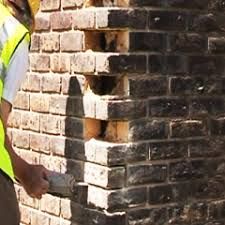
Your repair mortar should usually be softer and more vapor-permeable than your brick. That does not mean weak workmanship. It means the wall has been designed to manage movement and moisture through the joint instead of sacrificing the brick face.
For Dallas homeowners, the right mortar match protects both the structure and the appearance of the wall. It also makes future maintenance more predictable because the sacrificial material remains the mortar, not your brick.
For related information, see Champion Brick Repair’s masonry repair services and learn more about why brick faces spall and how proper replacement is performed.
Champion Brick Repair is a division of Whitestone Construction, Hamilton, Texas, and is not affiliated with any other companies using similar names.
Need mortar joint repair Dallas homeowners can evaluate before work begins?
Call or text photos: (817) 523-1540
Website:championbrickrepair.com
Estimate:quick and easy free online estimate
Review our work:Google Review page
Cracks are ugly — let Champion Brick Repair fix them right, with mortar matched to your home and a lifetime warranty.