October 14, 2026 · By Champion Brick Repair
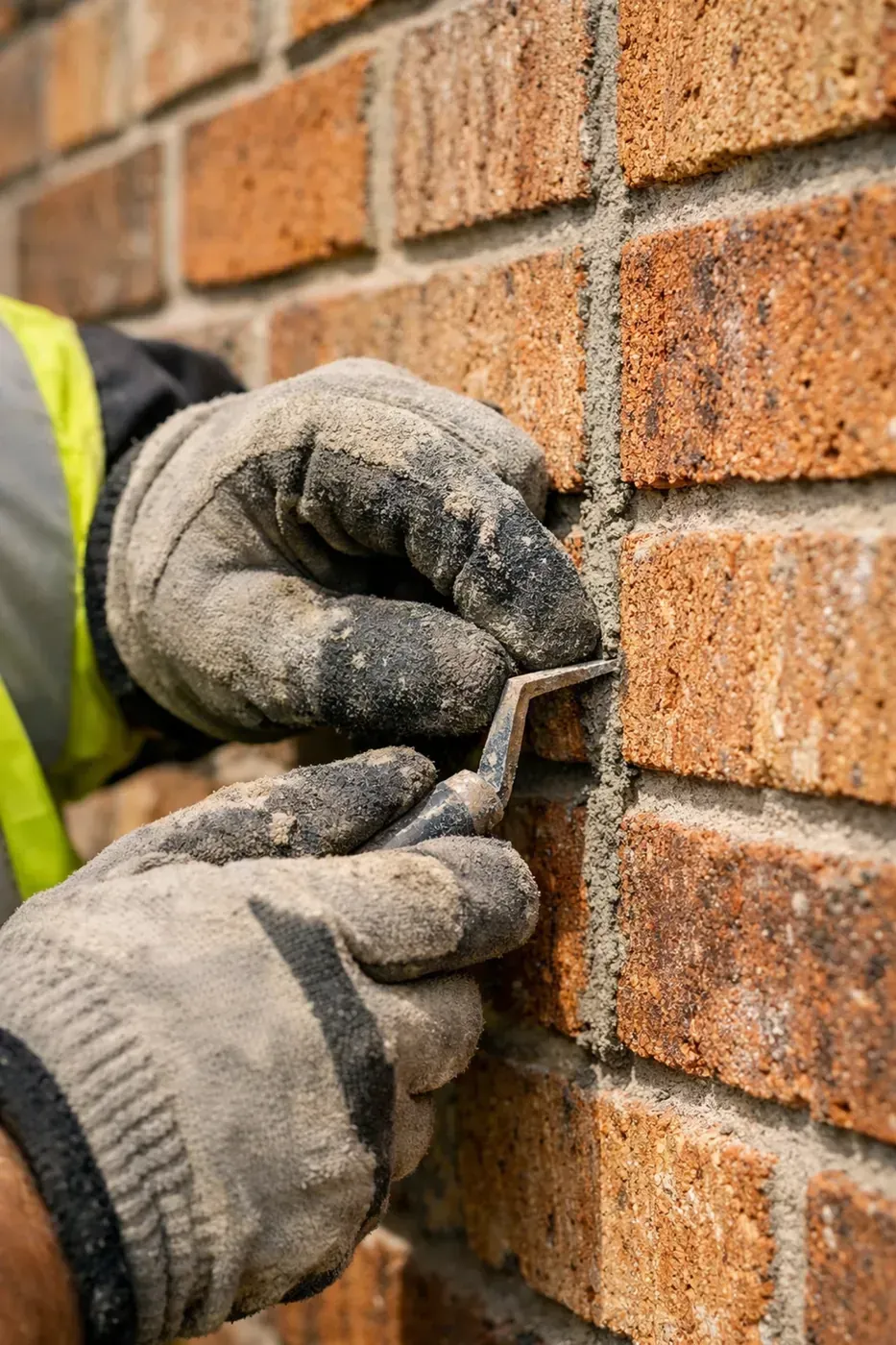
Searching for brick step repair near me in Grand Prairie, TX usually starts the same way: a front step rocks under your foot, a brick comes loose in your hand, or the porch steps have crumbled enough that guests pick their way down them. Brick steps in Grand Prairie take foot traffic, sprinkler water, and North Texas soil movement all at once, and they are walked on every single day — so a loose step is not just ugly, it is the trip hazard at your front door.
The good news: steps tell you plainly what they need. A few loose bricks with a sound base underneath is a repair. A staircase whose base has settled or washed out is a rebuild. Here is how to tell which one you have.
The base moved. Steps built on soil or a thin, cracked pad settle as the ground under them shifts and washes. Once the base tips, every brick on it works loose in turn.
Water got into the joints. Porch steps sit where roof runoff and sprinklers land. Open mortar joints drink that water, and saturated brick that freezes can spall — flake and crumble at the face.
The mortar gave out first. Mortar is the sacrificial part of the step. When it powders, recesses, or falls out, bricks lose their grip and start to rock — even when the bricks themselves are still sound.
A surface patch trapped the problem. Smearing fresh mortar or caulk over loose steps without resetting them hides the movement for a season while the base keeps going.
Likely a repair: one or two loose or spalled bricks, the staircase still level and even, riser heights consistent, and the base pad solid when you press at the edges.
Likely a rebuild: the whole run leans or has settled unevenly, multiple treads rock, gaps have opened where the steps meet the porch or walk, or the base underneath is cracked through and hollow-sounding.
Safety first either way: uneven riser heights are what trip people — the foot expects the step it just took. A staircase with one short or tall step in the middle needs attention before the next cookout, not after.
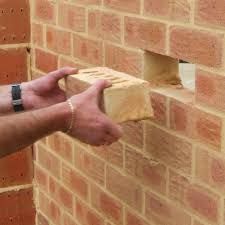
Loose bricks come out and get reset, not glued. Each loose brick is removed, the old mortar cleaned off its bed, and the brick re-laid on fresh mortar at the correct height and level.
Failed bricks are replaced with matching brick. Spalled or split step bricks are not re-laid — their faces are already gone. Replacements are matched for size and color so the staircase reads as one build.
A failed base gets rebuilt. On a rebuild, the steps come up, the settled or washed-out base is replaced with a solid footing, and the staircase is re-laid on it at even riser heights.
Joints are packed and tooled. Mortar is custom matched before it goes in the bag, packed full, and tooled once it firms — tooling compacts the joint so it sheds water instead of drinking it. The matching rules are the same ones in mortar matching 101: repair mortar stays softer than the brick.
The water path gets fixed. Joints at the porch and walk are checked, and runoff is directed away from the steps where it can be — the same water thinking behind our brick column rebuild guide, where the footing decides whether the repair lasts.
Once your steps are reset or rebuilt, a few habits keep them that way. Keep sprinkler heads from soaking the staircase daily — constant wetting is what opens joints in the first place. After a hard rain, look at where the water actually goes: a downspout or roof valley dumping at the base of the steps will wash out a base faster than foot traffic ever will, and redirecting that water is cheap insurance. Once a year, walk the steps slowly and press each tread brick with your foot; a brick that has just started to rock is a small reset today and a loose staircase next year if it is left to pump water in and out of its bed joint.
Watch the joints, too. Mortar that has recessed or started to powder is doing its sacrificial job, and catching it at repointing stage — grind out the failed mortar, pack in a fresh matched mix, tool it tight — is far simpler than resetting bricks that have already lost their grip. And skip the pressure washer at close range on step joints: it blasts out sound mortar along with the dirt and hands the water a fresh way in. Steps fail slowly, then all at once. The yearly five-minute check is what keeps yours in the slow lane.
Is the base under my steps sound, and how did you check it?
Are loose bricks being reset on fresh mortar, or just pointed over?
Will the finished riser heights be even, top to bottom?
What mortar are you using, and is it matched — and softer than my brick?
If your Grand Prairie porch steps rock, crumble, or have settled uneven, send photos and get a straight repair-or-rebuild answer before somebody takes a fall on them. For related information, see Champion's brick repair services in Grand Prairie and our leaning mailbox guide for nearby Carrollton.
Champion Brick Repair is a division of Whitestone Construction, Hamilton, Texas, and is not affiliated with any other companies using similar names.
Step rocking underfoot? Get it reset or rebuilt before it becomes a fall.
Call or text photos: (817) 523-1540
Website:championbrickrepair.com
Estimate:quick and easy free online estimate
Review our work:Google Review page
Even, solid steps are a safety fix, not just curb appeal — let Champion Brick Repair reset or rebuild yours on a sound base.