October 23, 2026 · By Champion Brick Repair
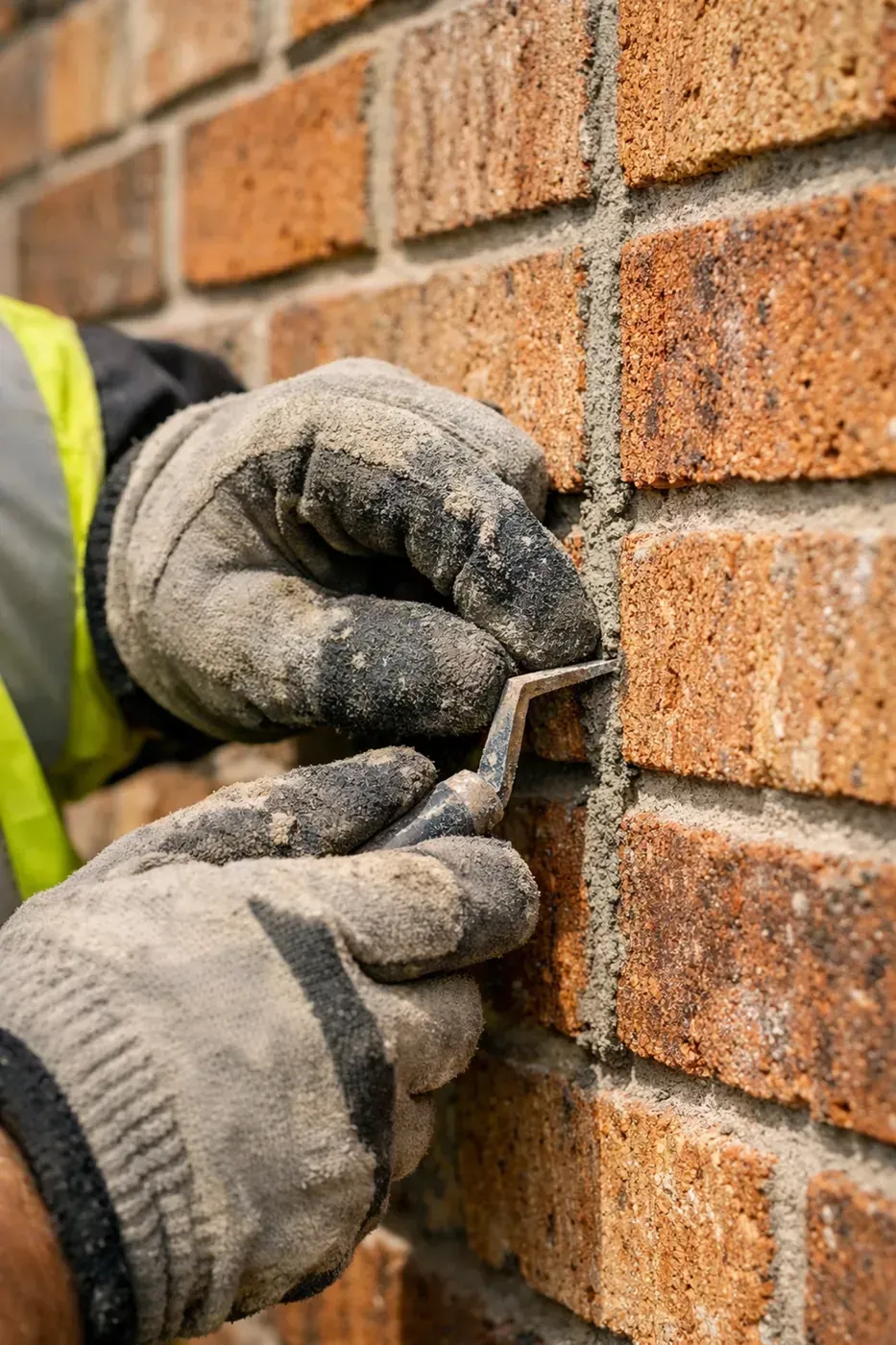
A brick garden wall in Fort Worth lives a harder life than the brick on your house, and in Fort Worth the top of that wall takes the worst of it. A garden wall is exposed on both faces and across the top. Rain hits it from above, sprinklers soak it from the side, and North Texas sun bakes it dry again the same afternoon. The cap is the roof of that little wall. When the cap is flat, cracked, or laid without a slope, it stops being a roof and starts being a funnel.
Brick garden wall cap drainage sounds like a small detail. It is the detail that decides whether the wall below stays sound for decades or starts splitting, leaning, and shedding brick faces a few courses at a time.
Shed water off the top. A good cap is sloped, so rain runs off the face instead of pooling on top of the wall where it can soak straight down into the core.
Overhang the wall with a drip. The cap should project a little past the brick on both sides, with a drip edge underneath, so runoff falls clear instead of running down the face and into the joints below.
Seal the top joint line. The bed under the cap is the highest mortar joint in the wall. If that joint opens, every rain has a direct path inside.
Water that ponds on a flat cap does not stay on top. It finds the hairline cracks in the cap joints, soaks into the wall core, and fills the brick and mortar from the inside. Then the seasons go to work.
Wet brick spalls. A saturated brick that goes through a hard freeze can pop its face off. On a garden wall you will see it first just under the cap, where the wall stays wettest.
Wet mortar goes soft. Joints that never fully dry erode faster. The top courses loosen first, and a loose top course lets in even more water.
The wall grows heavy and pushes out. A waterlogged core adds weight and pressure. Freestanding walls have no house frame to hold them, so they answer by leaning or bowing.
White staining tells the story. Efflorescence streaking down from the cap line is dissolved salt riding moisture out of the wall. It is a sign the wall is wet inside, not just dirty outside.
The same top-down failure is what we covered for house walls in our guide to parapet cap failure. A garden wall is smaller, but the physics is identical, and it has no flashing or roof drainage helping it.
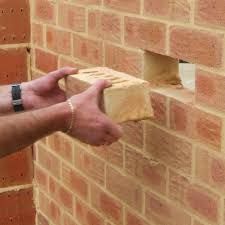
Look along the top. Sight down the cap line. Dips, low spots, and a cap that tilts toward the wall instead of away from it are ponding spots.
Run a hand under the overhang. If there is no overhang and no drip, runoff is washing the face. Streaks and green algae under the cap confirm it.
Probe the top joints. Mortar under the cap that crumbles to sand with a screwdriver tip is no longer sealing anything.
Check the courses below. Cracked, bulging, or face-popped brick in the top three courses means water is already inside, not just on top.
Test with a hose. Wet the cap and watch. Water should sheet off the sides. Water that sits, or that disappears into a joint, has shown you the leak.
Remove the failed cap and bad joints. Loose cap units come off, and failed mortar is ground out to sound material, about 5/8 inch deep, so the new work has something to grip.
Repair the top courses first. Spalled or loose brick under the cap are replaced and repointed before the cap goes back. Capping over damaged courses just hides the damage.
Reset the cap on a slope. Cap brick, stone, or precast units are laid with a clear pitch, tight joints, and an overhang with a drip on both faces. On a double-faced garden wall, the cap should shed to both sides, never crown water into the middle.
Tool and match the joints. The cap joints are tooled tight and matched to the wall, the same color-matching discipline we use on house repointing in mortar matching 101. An open cap joint is a leak with a head start.
Keep the base draining too. A garden wall also needs its base clear. Soil or mulch piled against the brick holds moisture in the bottom courses, and blocked drainage at ground level works the wall from below while the cap works it from above. The drainage principles in our guide to weep holes in Fort Worth brick apply here as well: masonry has to be able to let water out.
Do not smear a flat layer of mortar or caulk across a cracked cap and call it sealed. A surface smear cracks with the first season of movement, traps the water that is already inside, and makes the real repair harder later. Do not paint the wall to hide the staining either. Paint on a wet garden wall blisters, and the wall underneath keeps splitting. Fix the slope, fix the joints, and let the wall dry out the way it was built to.
Our Fort Worth brick repair page covers the wall, fence, and garden masonry work we do across the city.
Champion Brick Repair is a division of Whitestone Construction, Hamilton, Texas, and is not affiliated with any other companies using similar names.
Garden wall cap cracked, ponding water, or shedding brick faces just below the top? Get the cap reset on a slope and the top courses repaired before the wall splits further.
Call or text photos: (817) 523-1540
Website:championbrickrepair.com
Estimate:quick and easy free online estimate
Review our work:Google Review page
A flat, cracked garden wall cap funnels every rain straight into the wall core — let Champion Brick Repair reset it on a slope and repair the courses below.