October 26, 2026 · By Champion Brick Repair
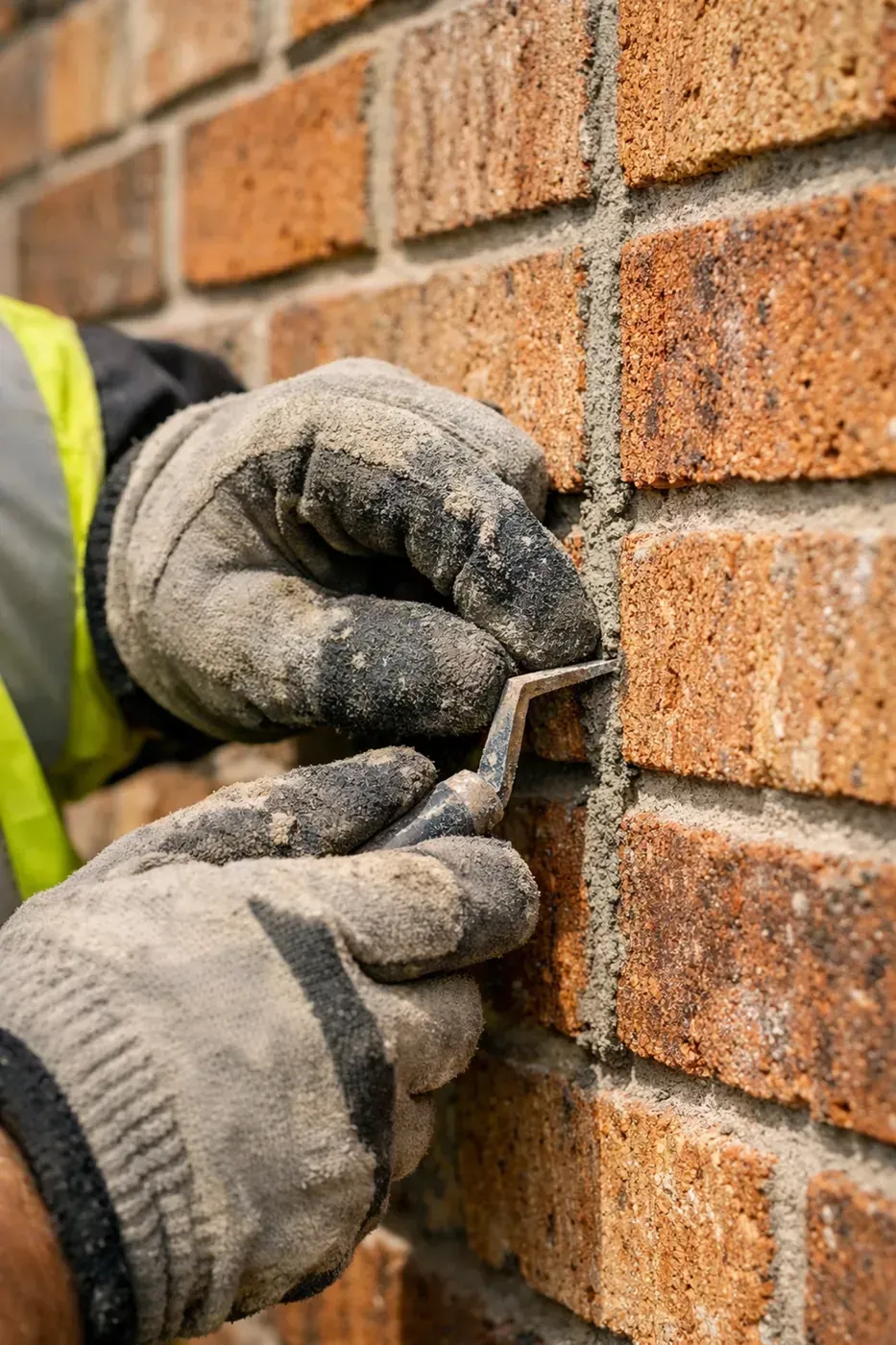
Firebox resurfacing in Dallas is the repair most homeowners put off the longest, because in Dallas the fireplace sits cold most of the year and the damage hides in plain sight. The firebox is the chamber where the fire actually burns — the floor, the walls, and the back of the fireplace — built from firebrick and refractory mortar made to take direct flame and repeated heat cycles. Every fire heats that brick hard and fast, and every night it cools back down. Heat, cool, heat, cool: that cycling is what wears a firebox out, joint by joint, long before the chimney outside shows a thing.
By the time the first cold front rolls through North Texas, a worn firebox is not a cosmetic problem. Open joints and cracked firebrick give heat and flame a path toward the framing and the wall cavity behind the fireplace — exactly the places that were never built to get hot.
The mortar is refractory, not regular. Firebox joints are laid with heat-rated refractory mortar because ordinary mortar breaks down under repeated direct flame. A resurface done with the wrong mortar is a repair with an expiration date.
Heat cycling opens joints. Firebrick expands when it is hot and shrinks as it cools. Seasons of that movement work the joints loose until the mortar cracks, powders, and falls out in pieces.
Water speeds it up. A chimney that takes water from a cracked crown or failed flashing sends that moisture down into the firebox, where heat turns it against the brick from the inside.
The back wall takes the worst of it. The rear firebrick reflects heat back into the room, fire after fire. It is usually the first panel to crack through, bow, or lose its face.
Open joints. Run a fingertip along the joints between the firebrick. Gaps, recessed mortar, or mortar you can scrape out with a fingernail mean the joint is no longer sealing the chamber.
Cracked or spalled firebrick. Brick faces that are flaking, pitting, or cracked all the way through have lost the strength that keeps heat where it belongs.
A leaning or bowed back wall. A rear panel that has pushed out of plane has been heat-worked for a long time and is past a surface fix.
Smoke staining inside the chamber. Streaks escaping through a joint line, instead of rising cleanly into the smoke chamber, point to a gap the smoke found before you did.
Fallen mortar in the ash. Chunks and grit in the bottom of the firebox after a fire are pieces of your joints checking out.
The chamber above the firebox matters just as much. Our guide to smoke chamber parging in Dallas covers the stepped brick funnel that carries smoke from the firebox to the flue, and why its joints fail the same way.
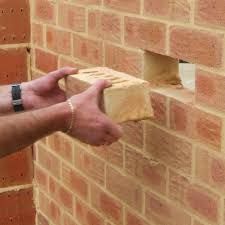
Resurfacing is the right repair when the firebrick itself is still sound and the failure is in the joints and the surface: open refractory joints, light surface cracking, and early spalling on a chamber that is still square and plumb. The brick has years left in it; the joints do not.
A partial or full firebox rebuild is the call when brick are cracked through, the back wall has bowed or shifted, or whole panels have lost their faces. Packing new mortar over brick that has already failed just hides the failure behind a clean-looking surface — the same reason we never accept a thin surface patch on an exterior wall, as we lay out in mortar matching 101.
Clean the chamber out. Ash, soot, and loose material come out first so every joint and every brick face can be inspected honestly.
Cut out the failed joints. Loose and powdered refractory mortar is removed to sound material, so the new joints have something solid to grip — the same grind-out discipline we use on exterior repointing, taken to the depth the joint needs.
Replace the brick that failed. Firebrick cracked through or spalled past saving come out and are replaced with matching firebrick, set in refractory mortar — never regular brick, which is not made for direct flame.
Repoint with refractory mortar. Joints are packed full, tooled tight, and finished smooth so flame and hot gas meet a sealed chamber with no open path behind the brick.
Let it cure before the first fire. Refractory mortar needs its cure time. Firing a fresh resurface too early steams the moisture out of the joints and cracks the work you just paid for. A small, gradual first fire after curing is how the chamber gets seasoned back into service.
Do not pack a firebox with regular mortar, concrete patch, or a tube of high-heat caulk and call it repaired. Regular mixes are not rated for direct flame, and caulk is a sealant, not a joint — both fail fast and leave the chamber looking fixed while it is not. And do not keep building fires in a firebox with open joints while you think it over. Every fire drives heat through those gaps. If the joints are open, the fireplace sits out the season until it is sealed.
Our chimney and fireplace repair page covers the full system — firebox, smoke chamber, crown, and flashing — and our Dallas brick repair page covers the exterior wall work that goes with it. For the warning list in short form, see the five signs your firebox needs a resurface before the next freeze.
Champion Brick Repair is a division of Whitestone Construction, Hamilton, Texas, and is not affiliated with any other companies using similar names.
Open joints, cracked firebrick, or mortar grit in the ash? Get the firebox resurfaced before the first real cold night, not after it.
Call or text photos: (254) 723-5040
Website:championbrickrepair.com
Estimate:quick and easy free online estimate
Review our work:Google Review page
Open firebox joints give heat a path behind your fireplace — let Champion Brick Repair resurface the chamber with refractory mortar and sound firebrick.