November 23, 2026 · By Champion Brick Repair
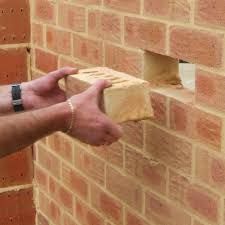
Helical stitching in Dallas is how a cracked brick wall gets tied back together without tearing the whole wall down. Dallas walls crack for honest reasons: clay soil swells when it is wet and shrinks when it is dry, lintels rust and lift the brick above them, and water works into joints until the wall starts to move in pieces instead of as one panel. When that movement opens a stair-step or vertical crack, the wall on one side of the crack is no longer connected to the wall on the other side. Helical stitching sews those two sides back together with stainless steel bars hidden inside the mortar joints.
Think of it the way the name sounds. The bars stitch across the crack the way thread stitches across a tear, except the thread is twisted stainless steel set in structural grout, and when the job is finished the only thing you see is a repointed joint that matches the wall.
A crack is a symptom, not the disease. Stitching a wall that is still moving just gives the movement a stronger wall to tear apart somewhere else, so the cause gets named before any bar goes in.
Soil movement. North Texas clay expands and contracts with moisture. A crack that opens in a dry summer and closes after rain is telling you the footing is riding that cycle.
A failing lintel. Rusting steel over a window or garage expands as it corrodes and can jack the brick above it until the crack runs up from the corner of the opening.
Water in the wall. Failed flashing, open joints, and missing weep drainage saturate a wall until freeze and heat cycles work the crack wider.
Wall tie failure. When the ties anchoring a veneer to the framing let go, the wall leans and cracks on its own pattern. That is a re-anchoring job, covered in our guide to wall tie failure in Dallas, and stitching alone will not fix it.
Slots are cut across the crack. A grinder cuts clean horizontal slots in the bed joints, crossing the crack and extending well into sound brick on both sides. The slots follow the mortar joints, not the brick, so the wall keeps its face.
The slots are cleaned out. Dust and loose mortar are blown and brushed out so the grout bonds to solid material, not to powder.
A bed of grout goes in first. Structural grout is injected into the back of the slot to form the bed the bar sits in.
The helical bar is pressed in. The twisted stainless bar is pushed into the grout so it is fully buried. Its helical shape is what grips: the twist keys into the grout along its whole length instead of relying on a smooth surface.
More grout caps the bar. A second pass of grout covers the bar completely, locking it into the joint.
The joint is repointed to match. Once the stitch has cured, the joint is finished with mortar matched to the existing wall in color, texture, and strength, the same discipline we lay out in mortar matching 101.
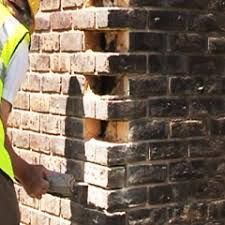
Repointing alone is the right call when the joints have weathered out but the wall has not cracked through or moved. New mortar in a sound wall is maintenance, not structure.
Helical stitching is the right call when the wall has cracked through the joints and brick along a line, the two sides are still in plane with each other, and the cause of the movement has been addressed. The stitches restore the connection across the crack so the panel acts as one wall again. We use the same stitching family over openings, as shown in our guide to stitching a sagging brick arch in Dallas.
A partial rebuild is the call when brick are crushed, displaced out of plane, or the wall has bowed. Bars cannot sew brick that is no longer where it belongs; that section comes down to sound material and goes back up plumb.
It is not caulk in a crack, not a surface patch smeared over the line, and not a coat of paint to hide it. Those cover the evidence while the wall keeps moving underneath. A stitched crack, done after the cause is fixed, should stay closed because the wall on both sides is tied together again. If a crack reopens beside a repair, that is the wall reporting that the cause is still active, and it deserves a fresh look instead of a wider patch.
Our Dallas brick repair page covers the full range of wall work, from repointing to rebuilds, across the Dallas side of the Metroplex.
Champion Brick Repair is a division of Whitestone Construction, Hamilton, Texas, and is not affiliated with any other companies using similar names.
Stair-step crack, vertical crack, or a crack that keeps coming back after patching? Get it looked at before the next wet-and-dry cycle works it wider.
Call or text photos: (254) 723-5040
Website:championbrickrepair.com
Estimate:quick and easy free online estimate
A cracked wall that has been patched before will keep cracking until it is tied back together — let Champion Brick Repair stitch it right with matched mortar.