


Garage Lintel Repair Secrets Revealed: Why Most Contractors Miss 'Rotational Failure'

![[HERO] Garage Lintel Repair Secrets Revealed: Why Most Contractors Miss 'Rotational Failure' — Before sag showing rotational failure]https://cdn.marblism.com/t6n0Pw5ojEl.jpg)
If you’ve walked out to your driveway lately and noticed the bricks above your garage door looking a little... tired, you aren't alone. That slight "smile" or dip in the brickwork is a common sight across North Texas. Most homeowners see a crack and think, "I just need some mortar and maybe a new piece of steel."
But here is the secret that most general contractors and even some masons won't tell you (mostly because they don't know it themselves): The problem usually isn't just gravity. It's rotation.
When you're searching for "lintel repair near me," you’ll find plenty of guys with a truck and a welder who will offer to "jack it up" and slap a new angle iron in place. This is a band-aid fix for a structural disease. If you want to stop the sag for good, you have to understand the difference between a standard gravity failure and the dreaded Rotational Lintel Failure.
The Science of the Sag: Gravity vs. Rotation
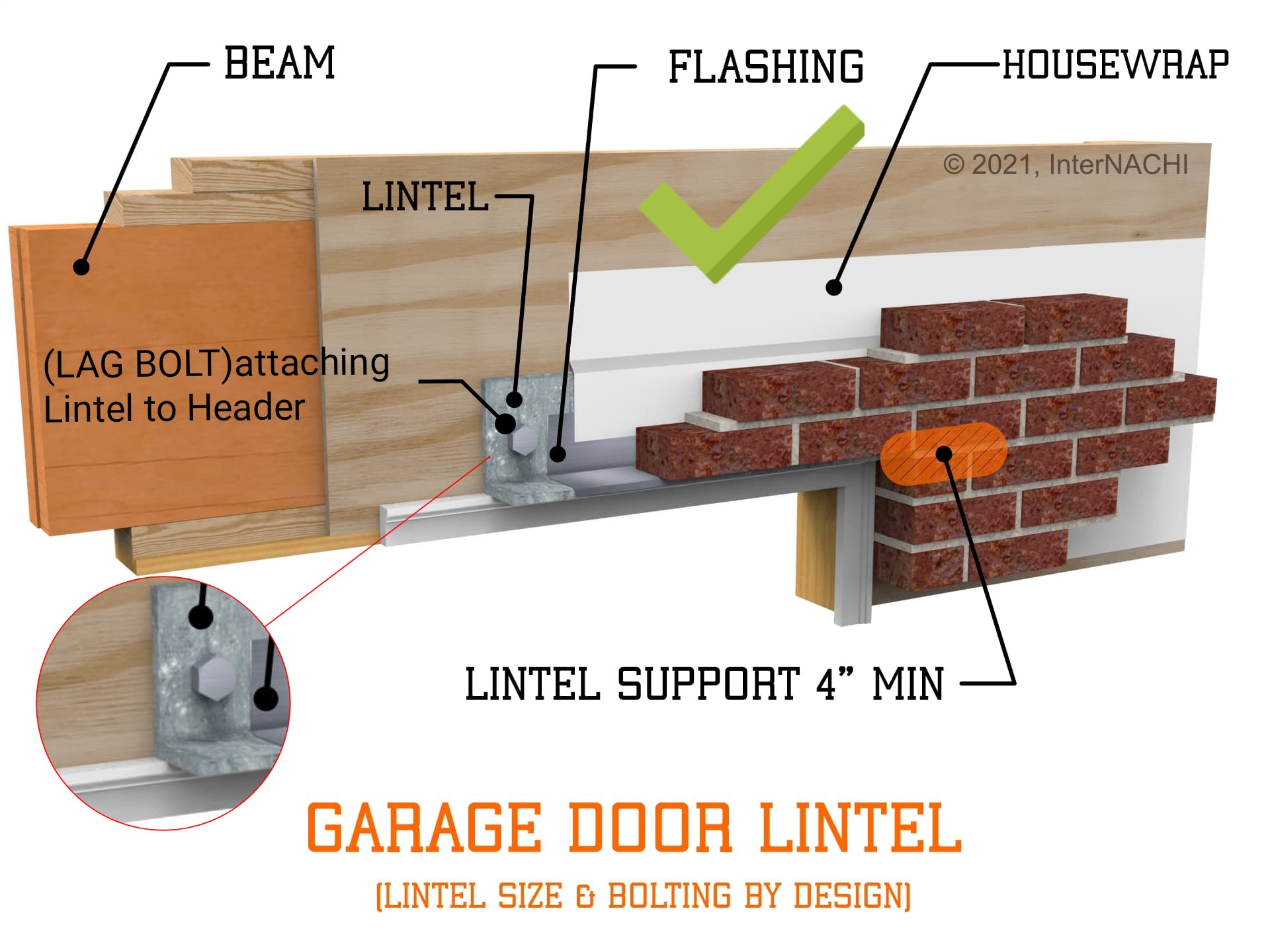
Most people assume the brickwork is just falling straight down. In physics terms, this is a vertical load failure. If the steel lintel (the L-shaped beam holding up the bricks) is too thin or has rusted away, it loses its ability to fight gravity. The bricks move down. Simple, right?
Wrong.
In reality, the most common type of garage lintel failure involves torsional twisting. Because the weight of the brick facade isn't perfectly centered over the steel, the lintel begins to roll forward. As the steel rotates, the bricks resting on it are forced outward and downward simultaneously.

Why Most Contractors Get It Wrong
When a contractor sees a sagging garage door header, their first instinct is to push the lintel back up vertically. While this might close the gap temporarily, it does nothing to address the "roll" of the steel. Within a few years: or even months: the torsional forces will take over again. The mortar will crack, the bricks will shift, and you’ll be back to square one, looking for "garage lintel repair near me" all over again.
At LintelRepair.com, we don't just look at the vertical drop. We analyze the rotational sagging. We see the way the steel is trying to twist away from the home’s framing.
Don't Settle for a Patch: "We Don't Just Patch; We Lock"
The industry standard has been flawed for decades. A standard piece of angle iron is essentially a passive support. It sits there and hopes for the best. But when you are dealing with thousands of pounds of masonry, "hope" isn't a structural strategy.
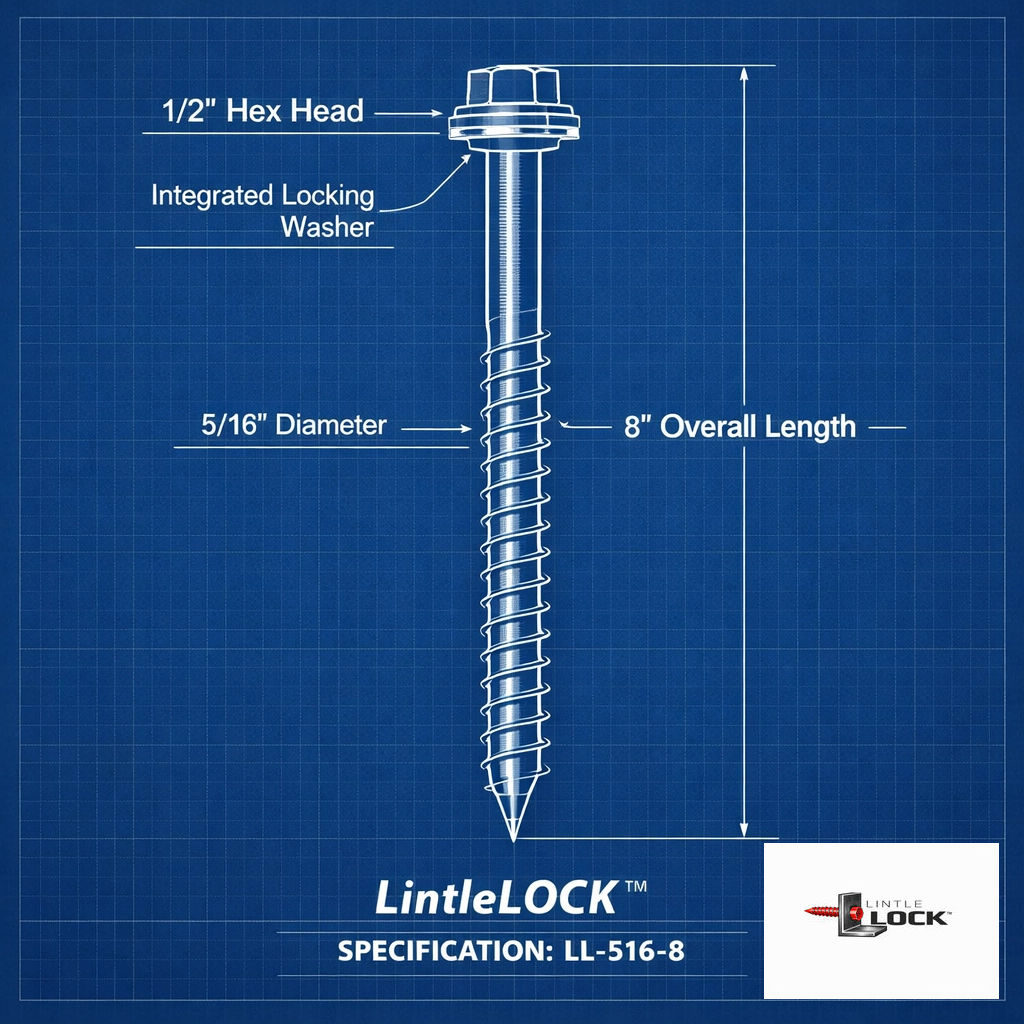
This is why we developed the LintleLOCK™ system.
The LintleLOCK™ Difference
Unlike traditional methods that simply replace one piece of weak steel with a slightly thicker piece of steel, LintleLOCK™ is a patented system designed specifically to reverse rotational failure.
Caution: Don’t confuse “someone who will install hardware” with a true system installer. We are the ONLY certified LintelLOCK™ installer in Dallas, and certification matters because Rotational Lintel Failure has to be corrected in the right sequence (reverse the roll, then lock it) or it will creep back.
Reversing the Rotation: We don't just push up; we pull back. The system is designed to correct the torsional twist of the lintel, bringing the brickwork back into its original alignment.
Permanent Stabilization: Once the rotation is corrected, the LintleLOCK™ system anchors the lintel to the structural headers of the home. This creates a permanent "lock" that prevents the steel from ever twisting again.
The 40-Year Guarantee: We are so confident in the physics behind LintleLOCK™ that it comes with a 40-year guarantee. In an industry where most "repairs" last five years, this is a game-changer for your home’s value and your peace of mind.

Understanding Garage Lintel Repair Cost
One of the most frequent questions we hear is: "What is the garage lintel repair cost?"
It’s a fair question, but it’s important to look at the long-term math. A "cheap" repair that involves a simple jack-and-weld job might cost less upfront, but it has a 100% failure rate over time because it ignores rotational torsion. You end up paying for the repair twice: plus the cost of replacing any bricks that crack during the second failure.
Factors that influence the cost include:
The Span of the Opening: A double-car garage lintel faces significantly more stress than a single-car opening.
The Amount of Brick Movement: If the rotational failure has been ignored for years, we may need to remove and reset several courses of brick to ensure a perfect match.
Structural Integrity of the Surrounding Masonry: Sometimes a sagging lintel causes stair-step cracks that spread far from the garage door.
The good news? We’ve made getting an answer easy. You can get a quick and easy free online estimate right now to see exactly where your project stands.
Why You Can't Ignore the "Smile"
A sagging lintel is more than just an eyesore. It is a safety hazard and a major red flag for home inspectors.
1. Water Infiltration: When bricks shift and mortar cracks due to rotational failure, they create pathways for water to get behind your brick veneer. This leads to wood rot in your home’s framing and can even cause mold issues. 2. Garage Door Failure: As the lintel sags, it puts pressure on the garage door frame. This can cause your door to bind, strain the motor, or prevent the door from sealing properly. 3. Total Collapse: While rare, a complete failure of the lintel can result in hundreds of pounds of brick falling onto your driveway: or your car.
The Professional Approach: What to Expect
When you call the LintelRepair.com hotline at 214-894-2603, you aren't getting a general handyman. You are getting a specialist who understands the engineering behind masonry support.
Our process involves:
Assessment: Identifying the degree of torsional twist and vertical sag.
Preparation: Securing the area and ensuring the garage door and surrounding brickwork are protected.
Correction: Using the LintleLOCK™ system to reverse the rotation and lift the bricks back to their original position.
Restoration: Performing expert mortar matching and brick repair to make the "smile" disappear forever.
Final Thoughts: Protect Your Investment
Your home is likely your largest investment. Don't let a "patch-and-go" contractor compromise its structural integrity. If you see cracks above your garage, remember the secret: it’s probably rotational failure. Demand a solution that locks, not just a solution that lifts.
For expert garage lintel repair that stands the test of time, trust the only patented system designed for the job.
Ready to fix that sag for good? Get your quick and easy free online estimate today, or call the LintelRepair.com specialists directly at 214-894-2603.

Administrative Notice: Champion Brick Repair & Whitestone Construction are BBB Accredited Businesses. Our commitment to the BBB Code of Business Practices ensures that every project we undertake is handled with integrity and professional excellence. Click for review to see what our customers are saying about our permanent solutions.
Champion Brick Repair is a division of Whitestone Construction, Hamilton, Texas, and is not affiliated with any other companies using similar names.
For general masonry needs, including brick repair in Southlake, brick repair in Plano, or cracks in brick and mortar, you can reach our main office at 817-900-6324. We are always looking for talent to join our team, from estimators to garage door and sagging lintel repair specialists.
Comments