


Lintel Repair vs. Replacement: What to Choose?
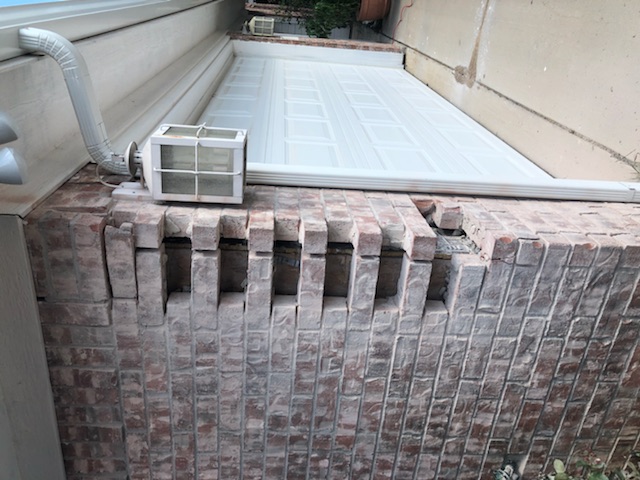
When it comes to maintaining the structural integrity of your property, lintels play a crucial role. These horizontal supports above doors, windows, and other openings carry the weight of the masonry above them. Over time, lintels can suffer from wear, corrosion, or damage, leading to potential safety hazards and costly repairs if ignored. So, what’s the best approach when you spot lintel issues? Should you opt for lintel repair or replacement? Let’s dive into the details and help you make an informed decision.
Understanding Lintel Repair vs Replacement
Before deciding between repair and replacement, it’s important to understand what each option entails.
Lintel repair involves fixing the existing lintel to restore its strength and function. This might include patching cracks, treating rust on steel lintels, or reinforcing the structure with additional materials. Repair is often quicker and less expensive, making it an attractive option for minor damage or early-stage deterioration.
Lintel replacement, on the other hand, means removing the old lintel and installing a new one. This is a more extensive process that requires careful planning and skilled labor. Replacement is usually necessary when the lintel is severely damaged, corroded beyond repair, or compromised to the point where it threatens the building’s safety.
Both options have their pros and cons. Repair can save money and preserve original materials, which is especially important in historic renovations. Replacement offers a fresh start and can ensure long-term stability but comes with higher costs and more disruption.

When Should a Lintel Be Replaced?
Knowing when to replace a lintel is key to preventing bigger problems down the road. Here are some clear signs that replacement is the right choice:
Severe corrosion or rust: If a steel lintel is heavily rusted and flaking, it has likely lost much of its strength.
Cracks or breaks in concrete or stone lintels: Large cracks or crumbling material indicate structural failure.
Sagging or deformation: A lintel that is visibly bent or sagging can no longer support the load safely.
Water damage or spalling: Prolonged exposure to moisture can cause concrete lintels to deteriorate internally.
Failed previous repairs: If past repairs have not held up, replacement may be the only reliable solution.
Safety concerns: Any lintel that poses a risk to the building’s stability should be replaced immediately.
If you notice any of these issues, it’s best to consult a professional for a thorough inspection. They can assess the damage and recommend whether repair or replacement is the safer and more cost-effective option.
How Lintel Repair Works and When It’s Suitable
Lintel repair is a practical choice when damage is limited and the lintel still retains most of its structural integrity. Here’s what the repair process typically involves:
Assessment and cleaning: The lintel is inspected, and any loose material, rust, or debris is removed.
Rust treatment: For steel lintels, rust is treated with rust converters or protective coatings to halt further corrosion.
Crack filling and patching: Cracks in concrete or masonry lintels are filled with epoxy or mortar to restore strength.
Reinforcement: Sometimes, additional steel plates or fiber-reinforced polymers are added to strengthen the lintel.
Protective coating: A final layer of paint or sealant is applied to protect against moisture and environmental damage.
Repair is ideal when the lintel damage is superficial or caught early. It’s less invasive, preserves the original structure, and is generally more affordable. However, it requires regular monitoring to ensure the repair holds up over time.
Tip: Always hire a specialist experienced in masonry and lintel repair to ensure the job is done right. Poor repairs can lead to bigger problems later.

Factors to Consider When Choosing Between Repair and Replacement
Choosing between lintel repair and replacement depends on several factors. Here’s what you should weigh carefully:
Extent of damage: Minor cracks and surface rust can often be repaired. Severe corrosion, deformation, or structural failure usually means replacement.
Age and material of the lintel: Older lintels made from materials prone to deterioration may be better off replaced.
Building use and safety requirements: High-traffic or load-bearing areas demand the highest safety standards, often favoring replacement.
Budget constraints: Repair is generally cheaper upfront, but replacement may save money in the long run by avoiding repeated fixes.
Historic preservation: If you’re working on a historic property, preserving original materials might be a priority, making repair preferable.
Time and disruption: Replacement takes longer and can disrupt your property more than repair.
By carefully evaluating these factors, you can make a choice that balances safety, cost, and preservation.
Practical Tips for Maintaining Your Lintels
Whether you choose repair or replacement, ongoing maintenance is essential to extend the life of your lintels. Here are some practical tips:
Regular inspections: Check lintels annually for signs of rust, cracks, or water damage.
Control moisture: Ensure gutters and downspouts direct water away from lintels to prevent corrosion and spalling.
Prompt repairs: Address minor damage quickly before it worsens.
Use protective coatings: Apply rust inhibitors or sealants to steel and concrete lintels.
Avoid overloading: Don’t add extra weight or structural changes without consulting a professional.
By staying proactive, you can avoid costly repairs or replacements and keep your property safe and sound.
If you want to learn more about the differences and benefits of each option, check out this detailed guide on lintel replacement vs repair.
Making the Right Choice for Your Property
Deciding between lintel repair and replacement isn’t always straightforward. It requires a careful look at the condition of your lintels, your budget, and your long-term goals for the property. Remember, safety should always come first. If there’s any doubt about the lintel’s ability to support the structure, replacement is the safer bet.
On the other hand, if the damage is minor and caught early, repair can be a smart, cost-effective solution that preserves the character of your building. Either way, working with experienced professionals who specialize in masonry and lintel work ensures the job is done right the first time.
By understanding your options and acting promptly, you can protect your property’s structural integrity and avoid costly surprises down the line. Whether you lean toward repair or replacement, the key is to stay informed and proactive.
Choosing the right approach for your lintels is a critical step in maintaining a safe, beautiful, and lasting property. Keep an eye on those lintels, and don’t hesitate to seek expert advice when needed. Your building will thank you for it!
Comments