


Lintel Replacement or Repair: What’s Better?
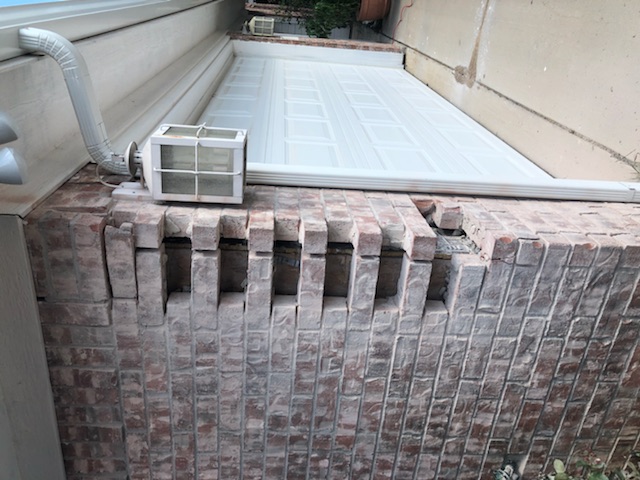
When it comes to maintaining the structural integrity of your property, lintels play a crucial role. These horizontal supports above doors, windows, and other openings carry the weight of the building materials above them. Over time, lintels can suffer from wear, corrosion, or damage, leading to potential safety hazards and costly repairs if ignored. So, what’s better for your property: lintel replacement or repair? Let’s dive into the details and help you make an informed decision.
Understanding Lintel Replacement or Repair
Before deciding whether to replace or repair a lintel, it’s important to understand what each option involves.
Lintel repair typically means fixing minor cracks, rust, or surface damage without removing the entire lintel. This can include patching, reinforcing with steel plates, or applying protective coatings. Repair is often quicker and less expensive upfront.
Lintel replacement, on the other hand, involves removing the damaged lintel and installing a new one. This is a more extensive process but may be necessary if the lintel is severely compromised or beyond repair.
Both options have their pros and cons. Repair can extend the life of your lintel and save money, but it might only be a temporary fix. Replacement offers a long-term solution but requires more time, labor, and cost.

Factors to Consider When Choosing Between Lintel Replacement or Repair
Choosing between lintel replacement or repair depends on several key factors:
Extent of Damage: Minor surface rust or small cracks can often be repaired. However, if the lintel is bent, severely corroded, or has structural cracks, replacement is usually safer.
Material Type: Steel lintels corrode over time, while concrete or stone lintels may crack or spall. The repair methods and longevity vary by material.
Age of the Lintel: Older lintels may have reached the end of their lifespan. Repairing an old lintel might only delay the inevitable replacement.
Load-Bearing Requirements: If the lintel supports a heavy load or critical structure, replacement ensures maximum safety.
Cost and Budget: Repairs are generally cheaper upfront but may require repeated work. Replacement is costlier but can be more economical in the long run.
Building Regulations and Safety Codes: Some local codes may require replacement if the lintel no longer meets safety standards.
By weighing these factors, you can decide which option aligns best with your property’s needs and your budget.
When Should a Lintel Be Replaced?
Knowing when to replace a lintel is crucial to avoid structural problems. Here are some clear signs that replacement is the better choice:
Visible Structural Damage: Large cracks, bending, or sagging lintels indicate serious issues.
Severe Corrosion or Rust: When rust has eaten through steel lintels, weakening their strength.
Spalling or Crumbling Concrete: Concrete lintels that are breaking apart or losing chunks.
Water Damage: Persistent moisture causing deterioration or mold growth around the lintel.
Movement or Shifting: If the lintel or surrounding masonry is moving or settling unevenly.
Failed Previous Repairs: When past repairs have not held up and damage is recurring.
If you notice any of these signs, it’s time to consult a professional for a thorough inspection. Replacing the lintel promptly can prevent further damage to your property and ensure safety.

Practical Tips for Lintel Repair
If your lintel damage is minor and repair is a viable option, here are some practical tips to keep in mind:
Clean the Area Thoroughly: Remove rust, dirt, and loose material before starting repairs.
Use Appropriate Materials: For steel lintels, apply rust inhibitors and protective paint. For concrete, use patching compounds designed for structural repairs.
Reinforce When Needed: Adding steel plates or brackets can strengthen weakened lintels.
Seal Against Moisture: Apply waterproof coatings to prevent future corrosion or water damage.
Monitor Regularly: Keep an eye on repaired lintels to catch any signs of recurring damage early.
Hire Experienced Professionals: Masonry and lintel repair require skill to ensure safety and durability.
Remember, a well-executed repair can extend the life of your lintel and save you money, but it’s not a permanent fix if the damage is extensive.
Making the Right Choice for Your Property
Deciding between lintel replacement or repair is not always straightforward. It requires careful assessment of the damage, understanding the risks, and considering your long-term goals for the property.
If you want peace of mind and a lasting solution, replacement is often the best route. However, if the damage is minor and your budget is tight, repair can be a smart interim step.
For those interested in a deeper dive into the pros and cons, check out this detailed guide on lintel replacement vs repair to help you weigh your options.
Bold tip: Always prioritize safety. A compromised lintel can lead to serious structural failures. Don’t delay inspections or repairs.
Keeping Your Lintels in Top Shape
Prevention is better than cure. To avoid costly lintel issues, consider these maintenance tips:
Inspect lintels regularly, especially after severe weather.
Keep gutters and downspouts clear to prevent water damage.
Address cracks or rust as soon as they appear.
Ensure proper ventilation to reduce moisture buildup.
Schedule professional inspections every few years.
By staying proactive, you can extend the life of your lintels and protect your property’s structural integrity.
Choosing between lintel replacement or repair is a critical decision that impacts your property’s safety and value. With the right knowledge and professional guidance, you can make the best choice for your situation. Whether you opt for repair or replacement, timely action is key to preserving your home or building for years to come.
Comments