


Repair vs Replace Lintels: What’s Best for Your Property?
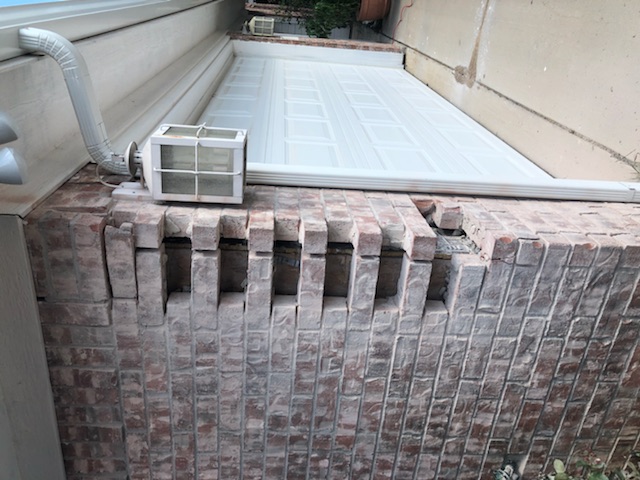
When it comes to maintaining the structural integrity of your home or building, lintels play a crucial role. These horizontal supports above doors, windows, and other openings carry the weight of the masonry above. Over time, lintels can suffer from wear, corrosion, or damage, leading to potential safety hazards and costly repairs if ignored. So, what’s the best approach when you notice lintel issues? Should you repair or replace them? Let’s dive into the details and help you make an informed decision.
Understanding Repair vs Replace Lintels
Choosing between repairing or replacing lintels isn’t always straightforward. Both options have their pros and cons, and the right choice depends on several factors including the lintel’s condition, the type of material, and the extent of damage.
Repairing lintels often involves patching cracks, treating rust, or reinforcing the existing structure. This can be a cost-effective and quicker solution, especially if the damage is minor or caught early.
Replacing lintels, on the other hand, means removing the old lintel and installing a new one. This is usually necessary when the lintel is severely corroded, cracked, or compromised to the point where repair won’t restore its strength.
Here’s a quick comparison:
| Aspect | Repair | Replacement |
|----------------------|--------------------------------|--------------------------------|
| Cost | Generally lower | Higher upfront cost |
| Time | Faster | Takes longer |
| Longevity | Depends on damage extent | Longer-lasting solution |
| Structural Safety | May be limited if damage is severe | Restores full structural integrity |
| Disruption | Minimal | More invasive |

When Should a Lintel Be Replaced?
Knowing when to replace a lintel is key to preventing bigger problems down the road. Here are some clear signs that replacement is the best option:
Severe corrosion or rust: If the steel lintel is heavily rusted and flaking, it’s likely lost much of its strength.
Cracks or breaks in masonry above the lintel: This can indicate the lintel is no longer supporting the load properly.
Sagging or bowing lintel: Visible bending or sagging means the lintel is under stress and may fail soon.
Water damage or rot: For timber lintels, extensive rot or water damage compromises their load-bearing ability.
Previous repairs failing: If you’ve repaired the lintel before and the issues have returned, replacement might be the safer bet.
Replacing a lintel is a more involved process but ensures your structure remains safe and sound. It’s especially important in historic renovations where maintaining the building’s integrity is critical.
How to Approach Lintel Repair
If the damage is minor or caught early, repairing lintels can be a smart choice. Here’s how you can approach it:
Assess the damage carefully: Look for surface rust, small cracks, or minor spalling in the masonry.
Clean the lintel: Remove rust using wire brushes or sandblasting. This prepares the surface for treatment.
Apply rust inhibitors or protective coatings: This prevents further corrosion.
Patch cracks and damaged mortar: Use appropriate masonry repair materials to fill gaps.
Reinforce if necessary: Sometimes adding steel plates or additional supports can extend the lintel’s life.
Regular maintenance: Keep an eye on the lintel and surrounding masonry to catch issues early.
Repairing lintels can save money and time, but it requires careful inspection and ongoing monitoring to ensure the repair holds up.

Factors Influencing Your Decision
Several factors should guide your choice between repair and replacement:
Material type: Steel lintels corrode, timber lintels rot, and concrete lintels can crack. Each material has different repair and replacement needs.
Age of the lintel: Older lintels may be more prone to failure and less worth repairing.
Load requirements: If the lintel supports heavy loads, replacement might be safer.
Budget constraints: Repairs are cheaper short-term, but replacements can save money long-term.
Building regulations and safety codes: Always check local codes to ensure compliance.
Historic preservation: For historic buildings, preserving original materials might be a priority, favoring repair.
Why Professional Assessment Matters
Lintel issues can be tricky to diagnose. What looks like a minor crack might signal a serious structural problem. That’s why getting a professional inspection is crucial. Experts can:
Conduct detailed structural assessments
Recommend the best course of action based on safety and longevity
Ensure repairs or replacements meet building codes
Use specialized techniques for historic or delicate structures
If you’re in the Dallas-Fort Worth area, working with a trusted masonry and lintel repair specialist ensures your property gets the care it deserves. They bring precision and lasting quality to every project.
Final Thoughts on Lintel Maintenance
Whether you decide to repair or replace, the key is timely action. Ignoring lintel damage can lead to costly structural failures and safety risks. Regular inspections, especially in older buildings, help catch problems early.
Remember, the choice between repair and replacement depends on the lintel’s condition, material, and your long-term goals. If you want to learn more about the nuances of lintel replacement vs repair, consulting with a professional is the best first step.
Taking care of your lintels means protecting your property’s foundation and ensuring peace of mind for years to come.
Comments